
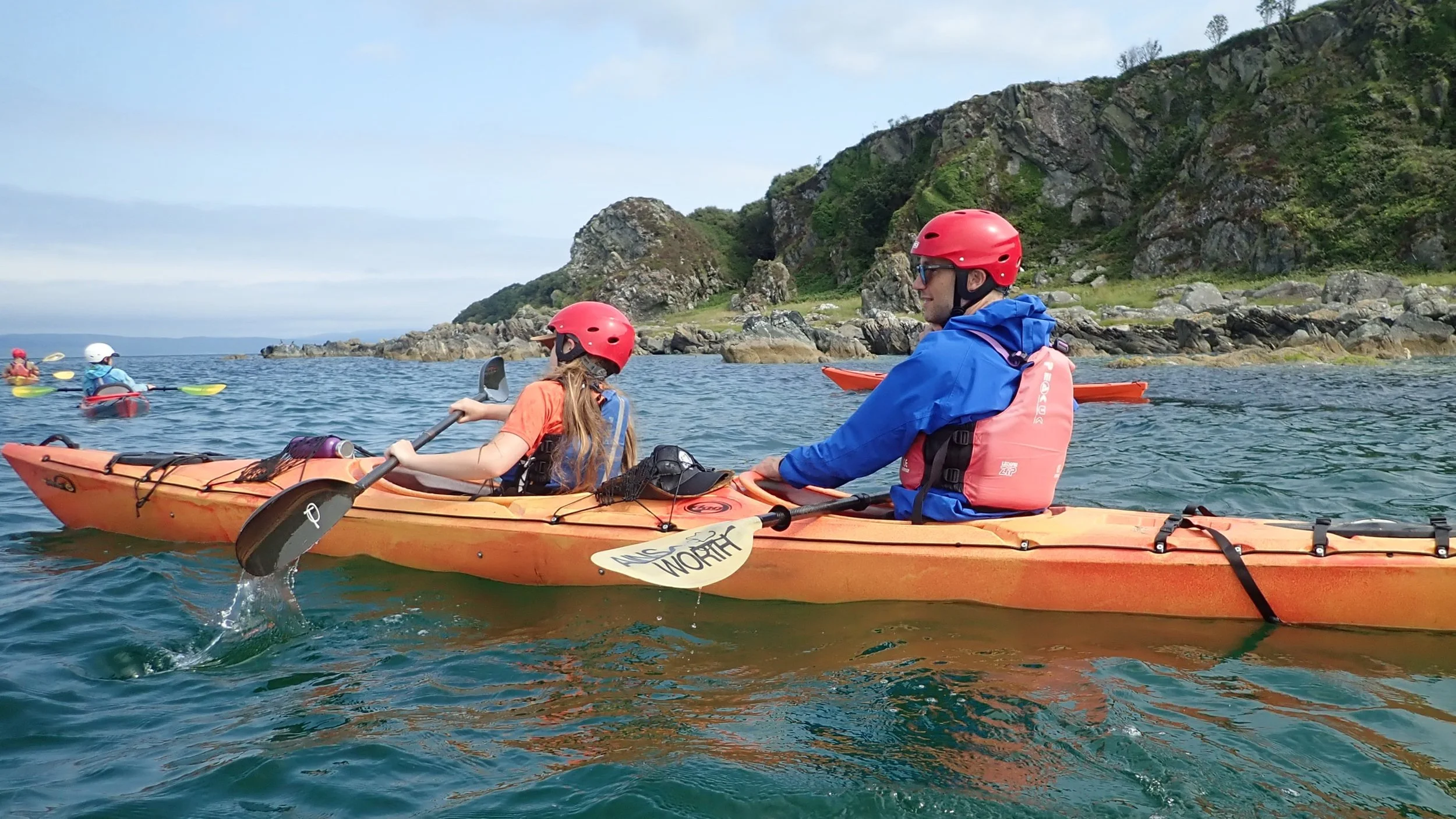
Discover Imachar – A New Wild Kayaking Location on Arran's West Coast
We have added a new location to our website: Imachar, one of Arran’s most remote and beautiful stretches of coastline.
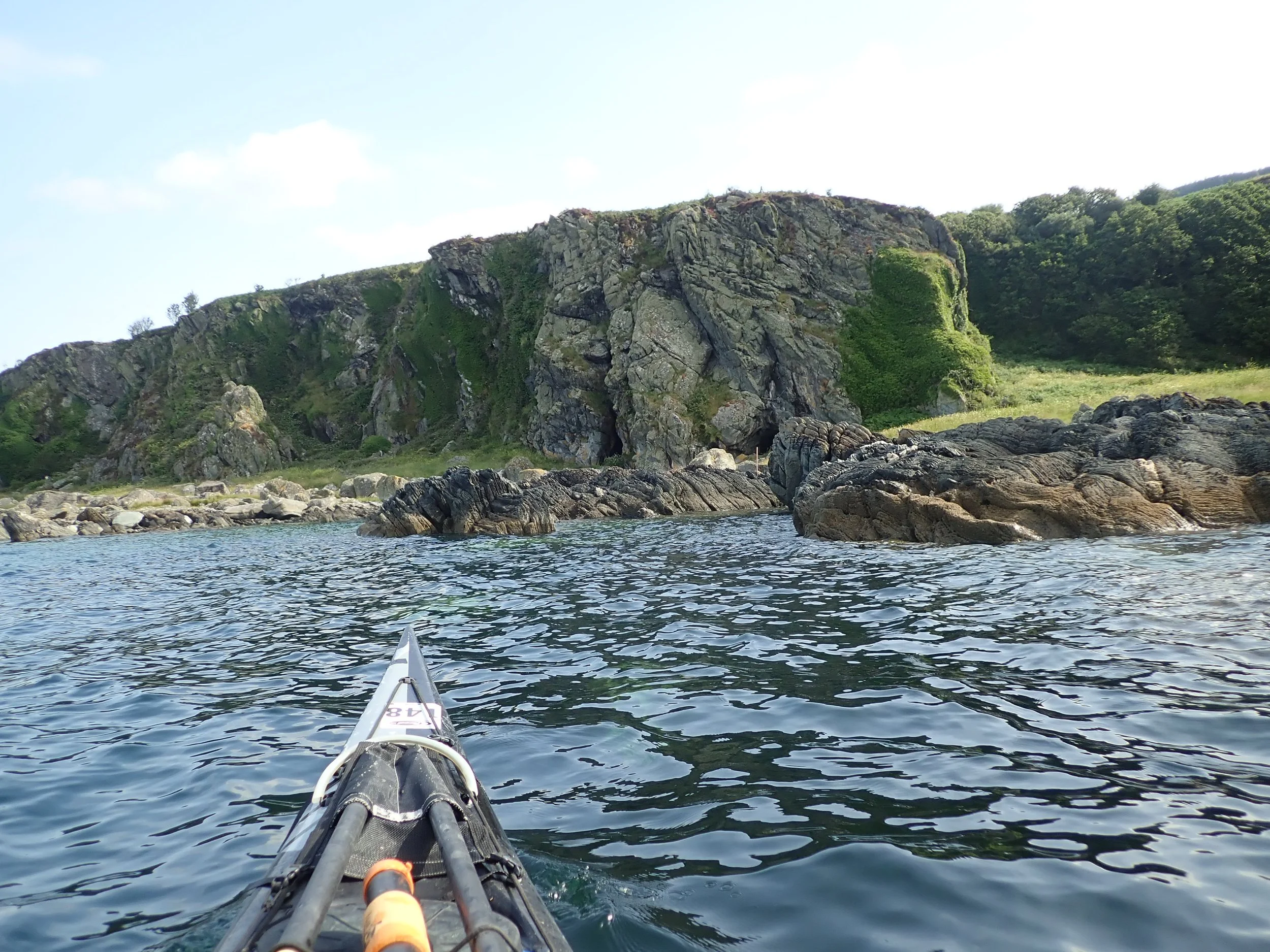
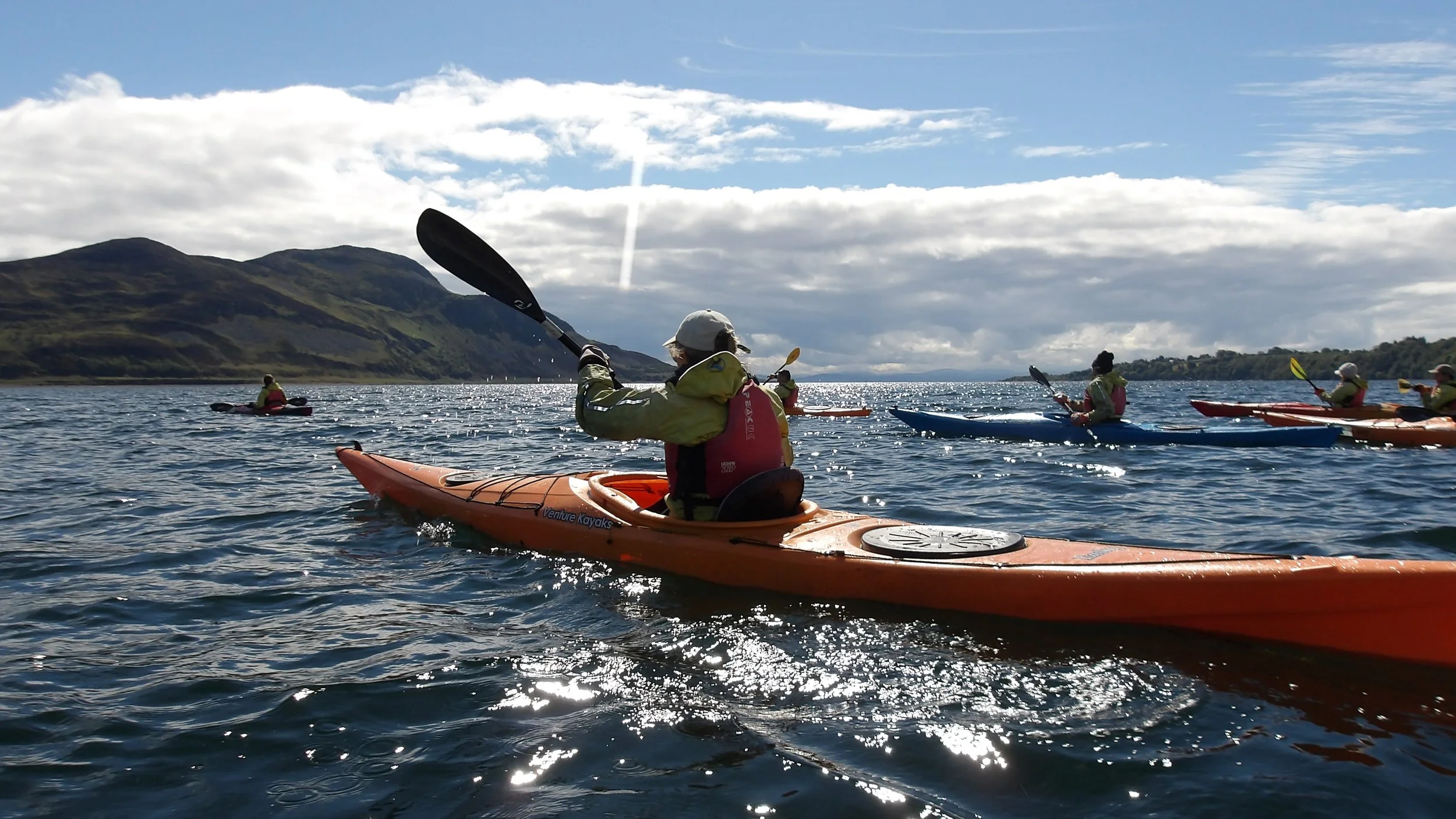
Situated on the island’s west coast, Imachar offers a very different paddling experience from some of our other launch sites. Here, steep cliffs, rugged rocky shores and quiet, sheltered inlets create a sense of wilderness that is hard to find elsewhere on Arran. As the coast road climbs inland and disappears from view, paddlers are immersed in a landscape shaped by sea, weather and time.
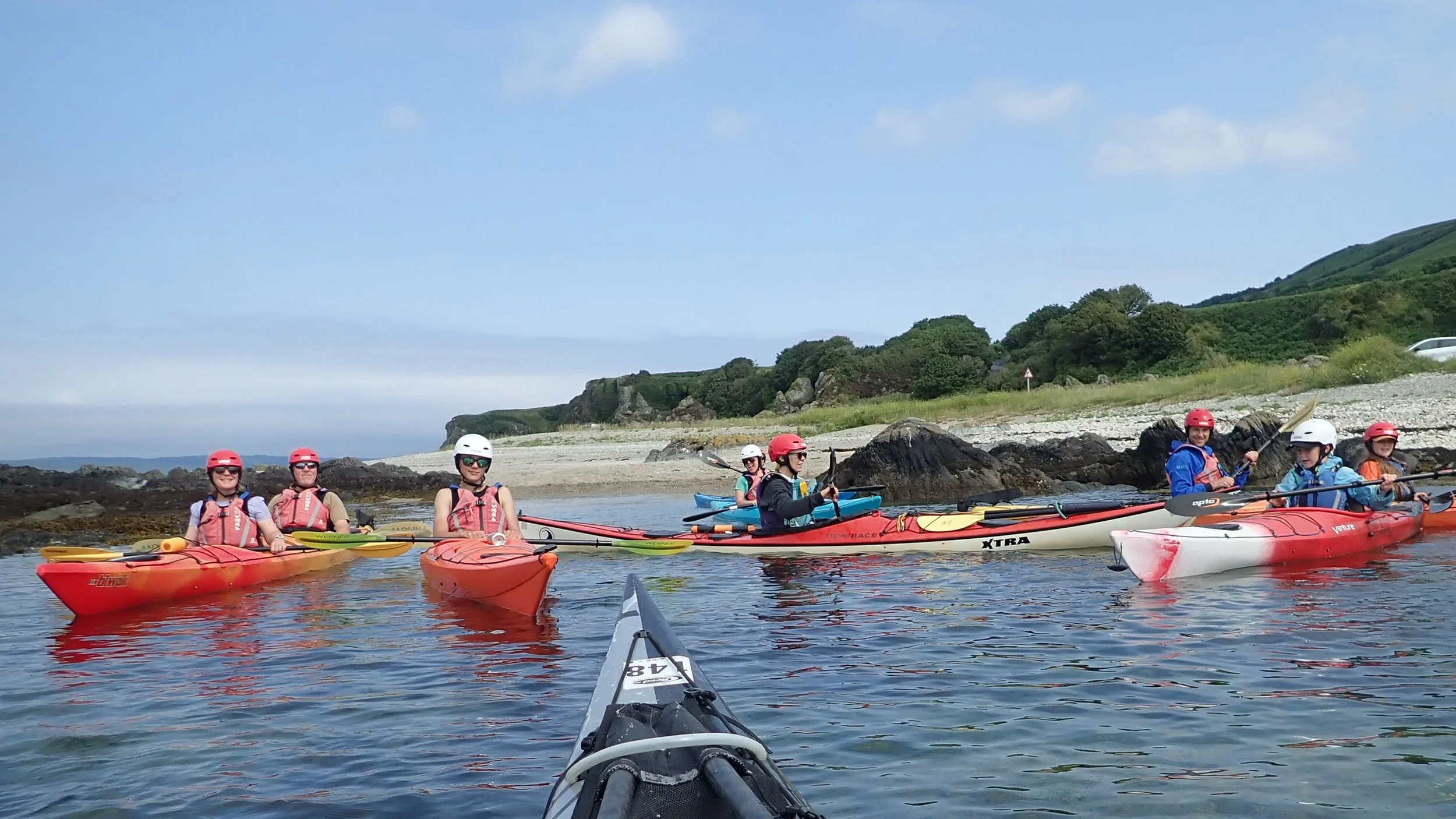
Heading north from the launch point, the coastline leads towards the wide sandy beach at Whitefarland. Rocky outcrops and peaceful coves provide ideal places to pause, watch wildlife and enjoy the tranquillity of this unspoilt coast. To the south, a paddle towards Dougarie passes smooth boulders where seals are often seen resting, beneath slopes of ancient woodland that form part of the temperate rainforest once widespread across western Europe.
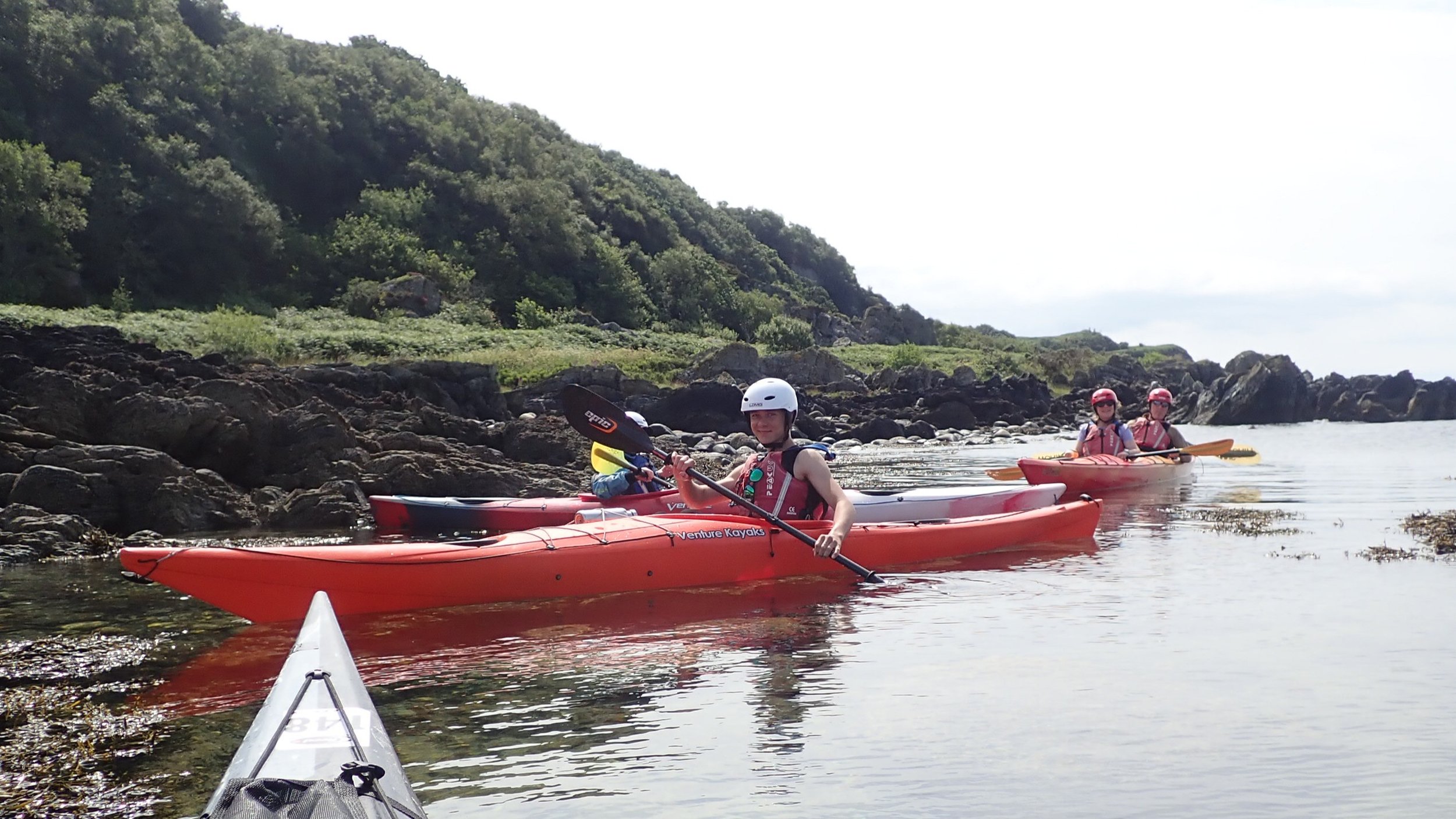
Imachar is best suited to easterly and north-easterly winds and adds another excellent option to our growing range of launch locations around Arran. As with all our tours, we can choose the most suitable venue according to the weather, sea conditions and the experience you would most enjoy.
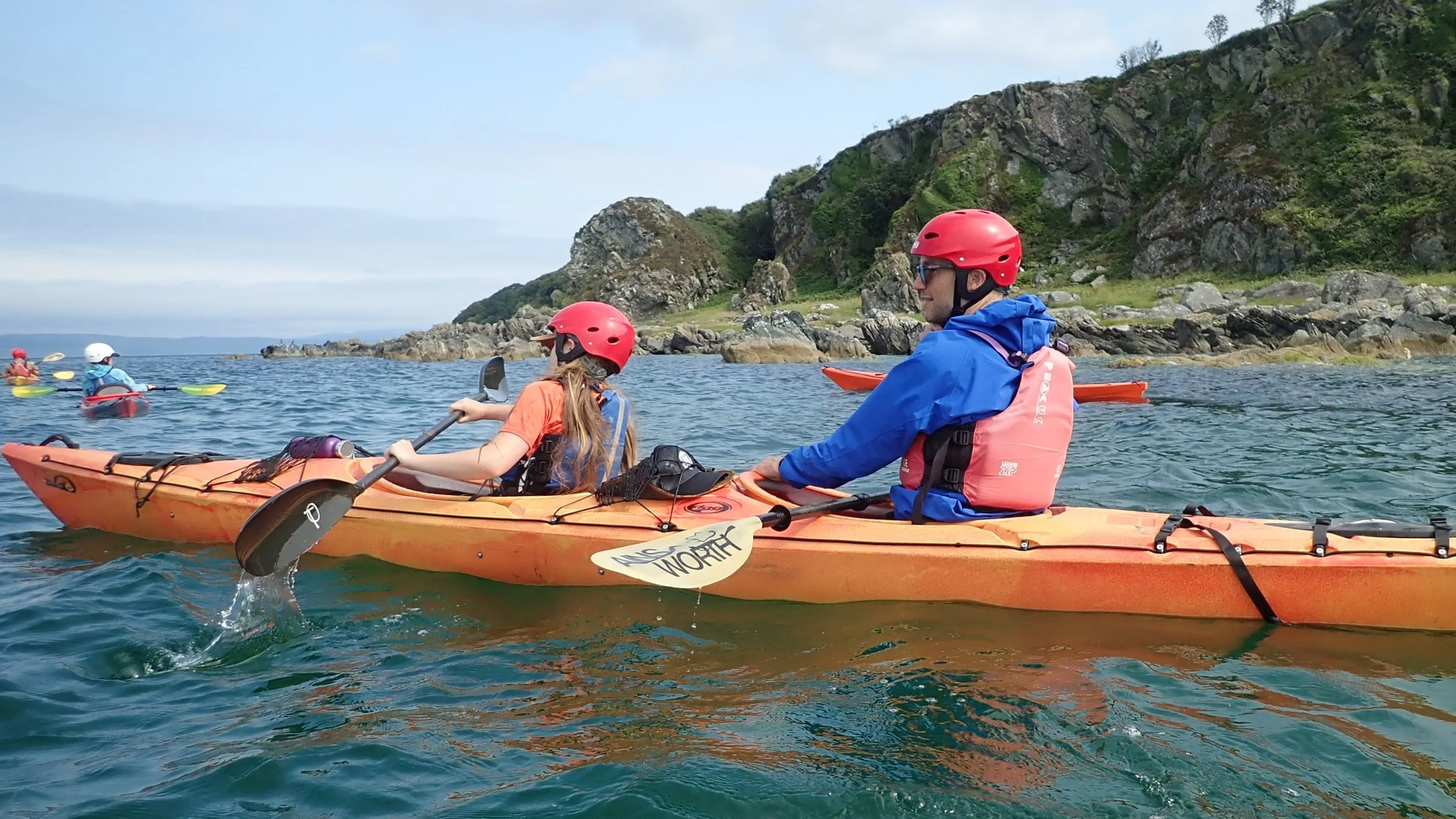
We are fortunate to have so many wonderful places to explore by kayak, and Imachar is certainly one of the island’s hidden gems. If you would like to experience one of Arran’s wildest and most secluded coastlines, take a look at our updated Locations page and discover whether Imachar could be the perfect destination for your next adventure.
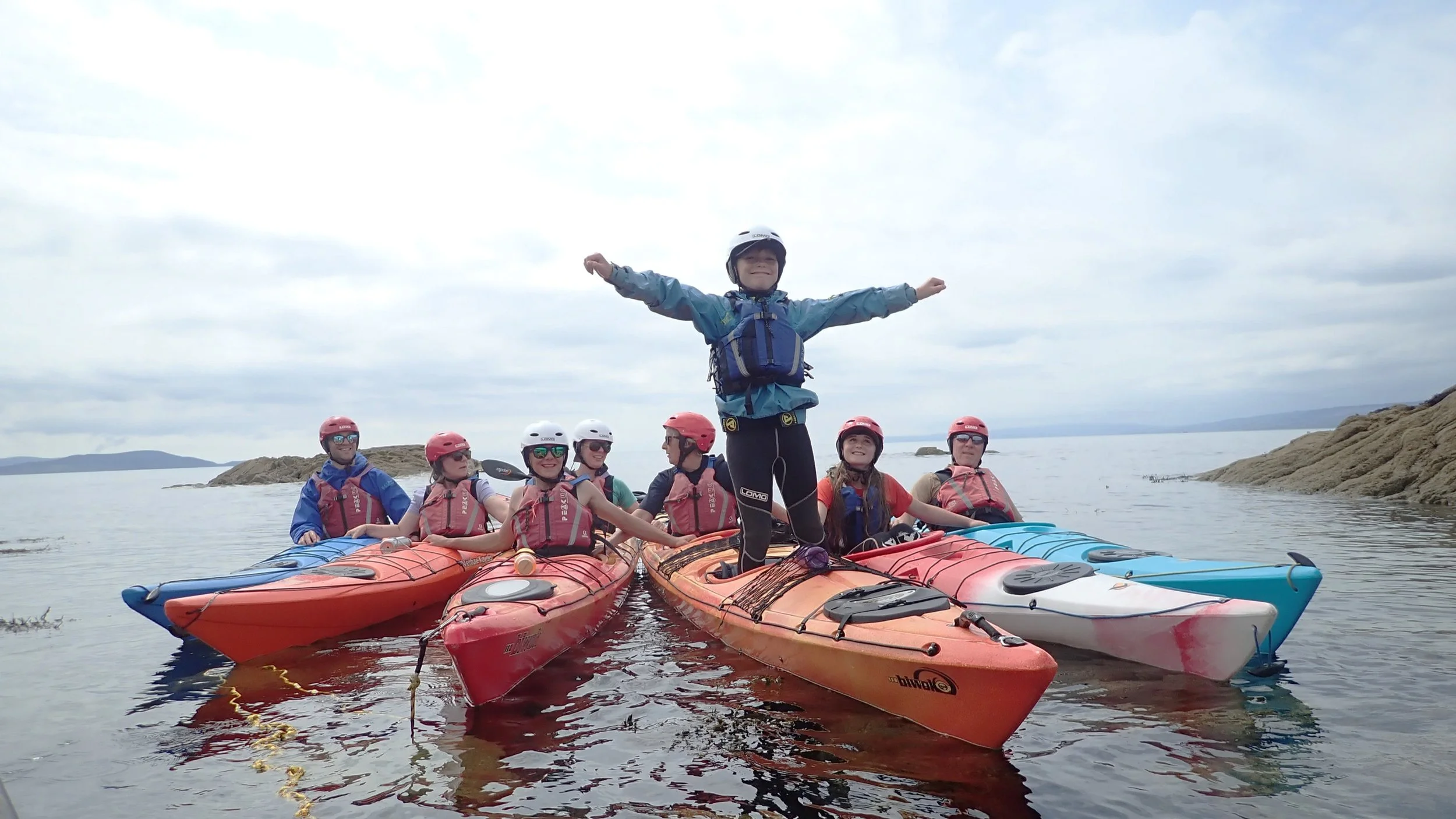
Visit our updated Locations page to learn more about Imachar and our other launch sites around Arran.
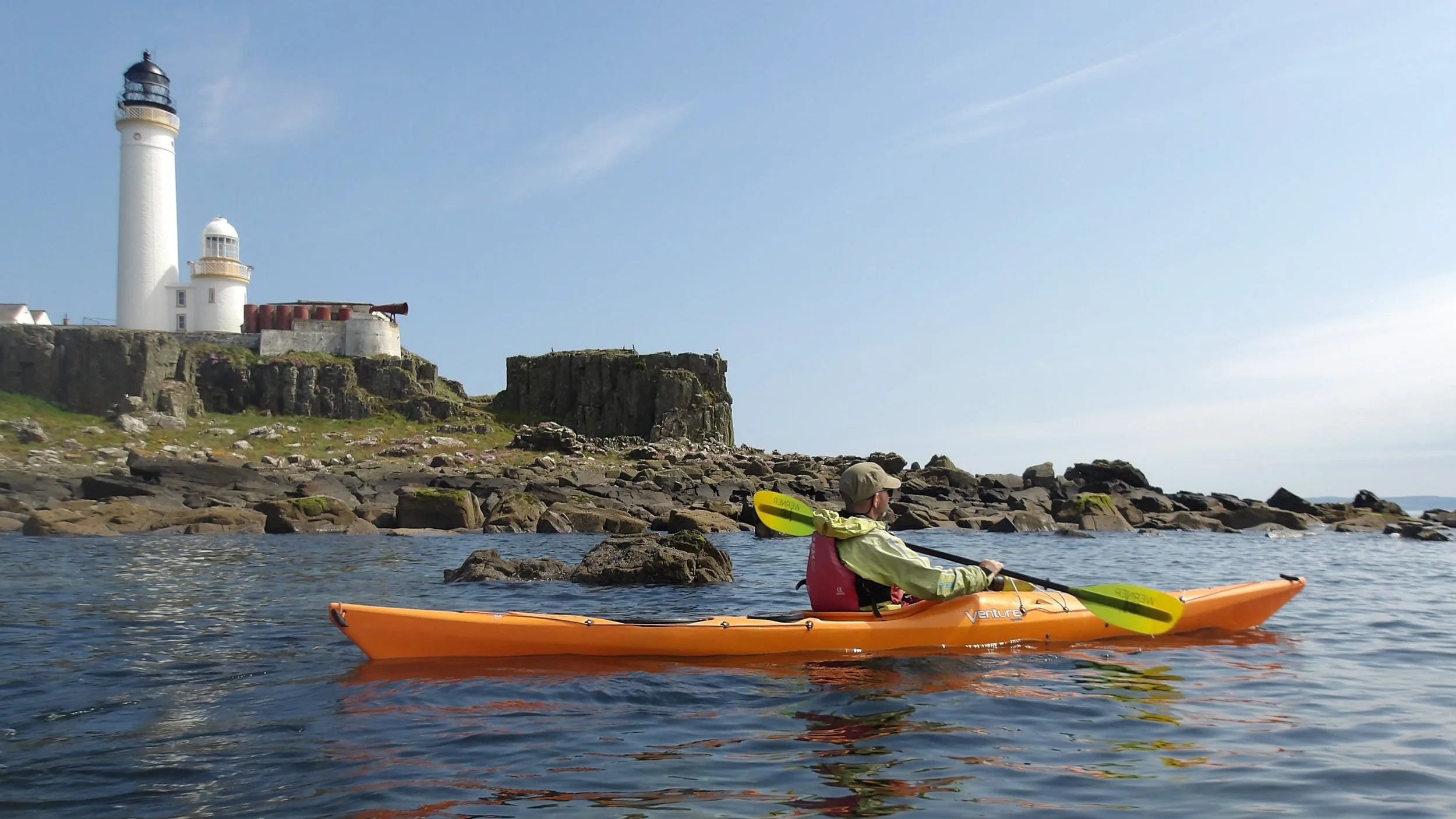
Kildonan’s Crystal-Clear Waters Followed by Café and Cake
One of the great advantages of our mobile kayaking operation is the flexibility it gives us. We bring our kayaks to the launch point on a trailer and transport all equipment and clothing in our van, allowing us to choose the perfect stretch of Arran’s coastline based on the weather conditions and our guests’ wishes.
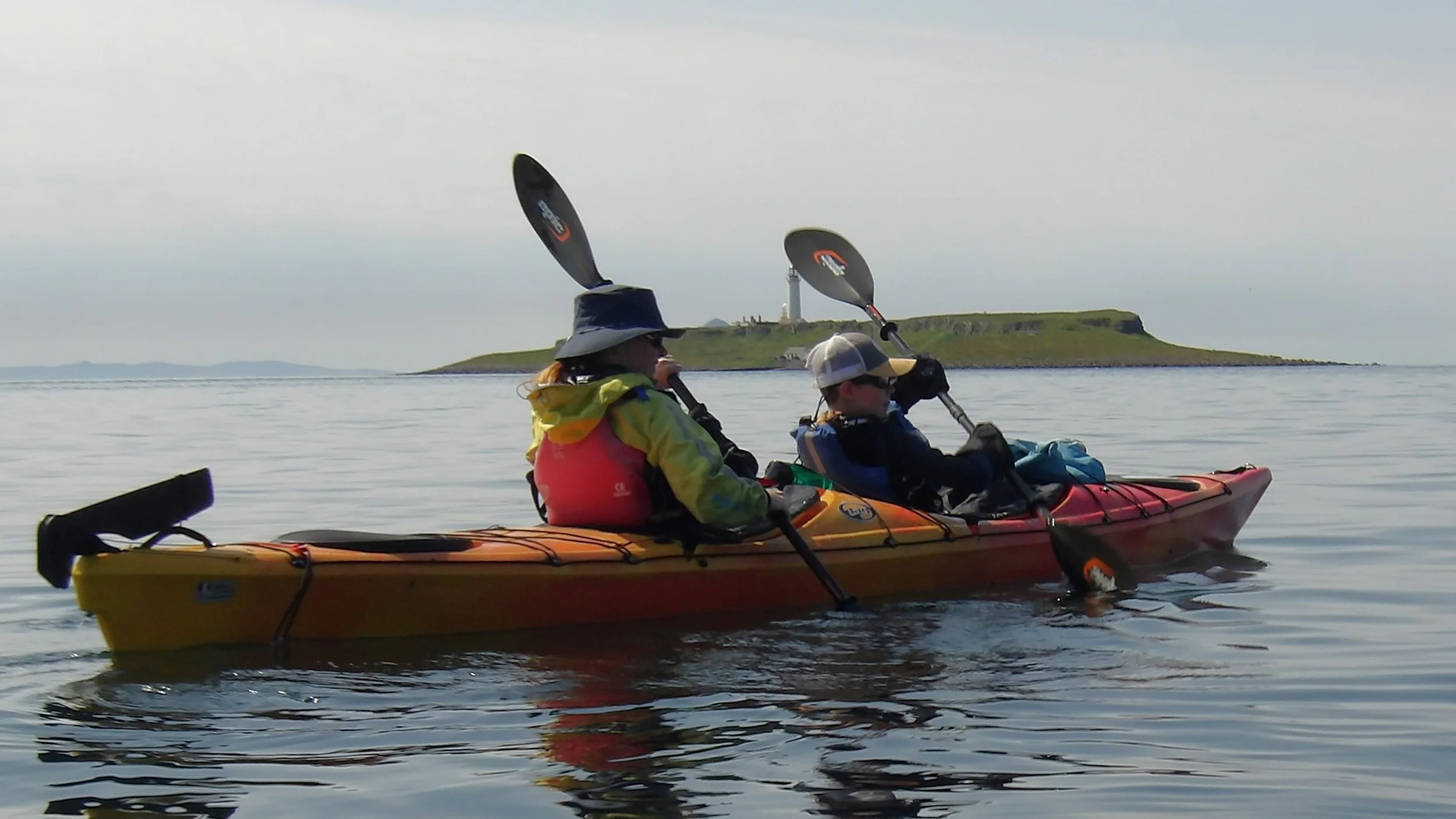
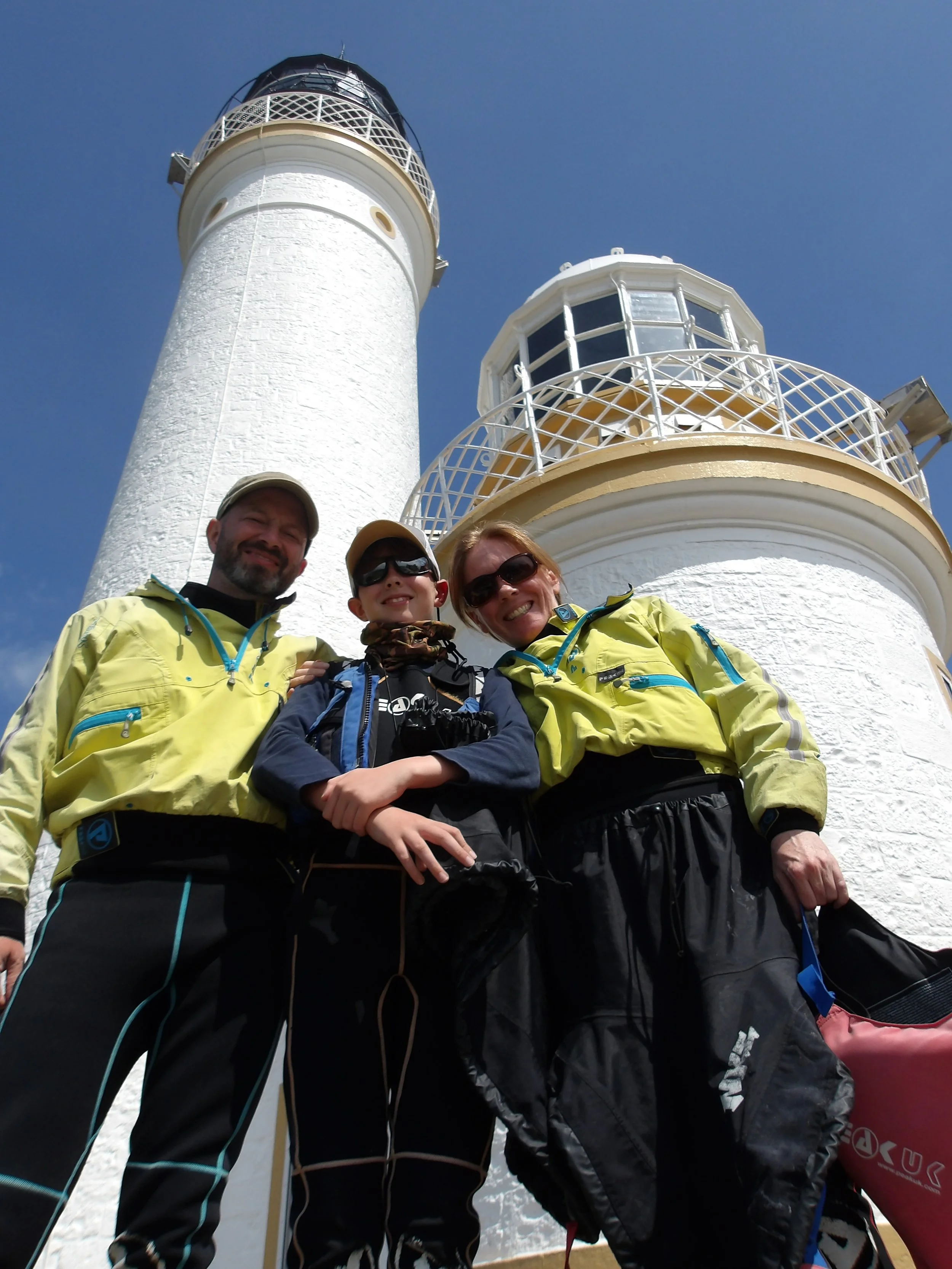
During the recent holiday period, we were treated to glorious sunshine, warm temperatures and light winds – ideal conditions for a tour from Kildonan. Just a short paddle from the shore lies the beautiful island of Pladda, home to abundant seabird life and its two iconic lighthouses. It is a fantastic destination for both half-day and full-day kayaking adventures.
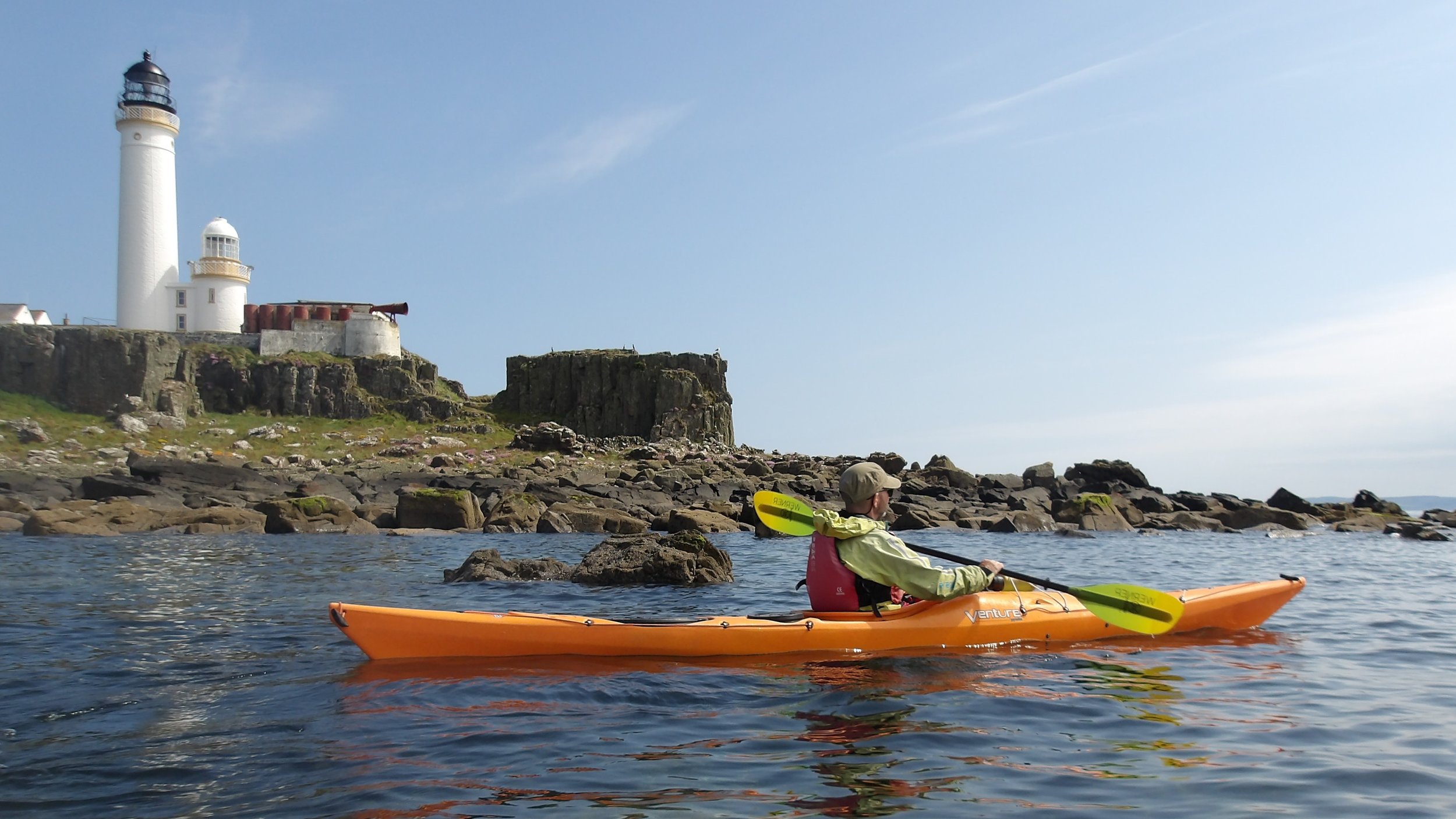
The wildlife certainly did not disappoint. Along the way we enjoyed sightings of diving gannets, swooping terns, curious seals and even an otter – always a special treat to encounter from the water.
After returning from Pladda, we continued paddling towards the Black Cave. The exceptionally clear water and mirror-like sea conditions provided stunning views beneath the surface. Fish darted among the kelp forests, while countless starfish and sea urchins could be seen resting on the seabed below.
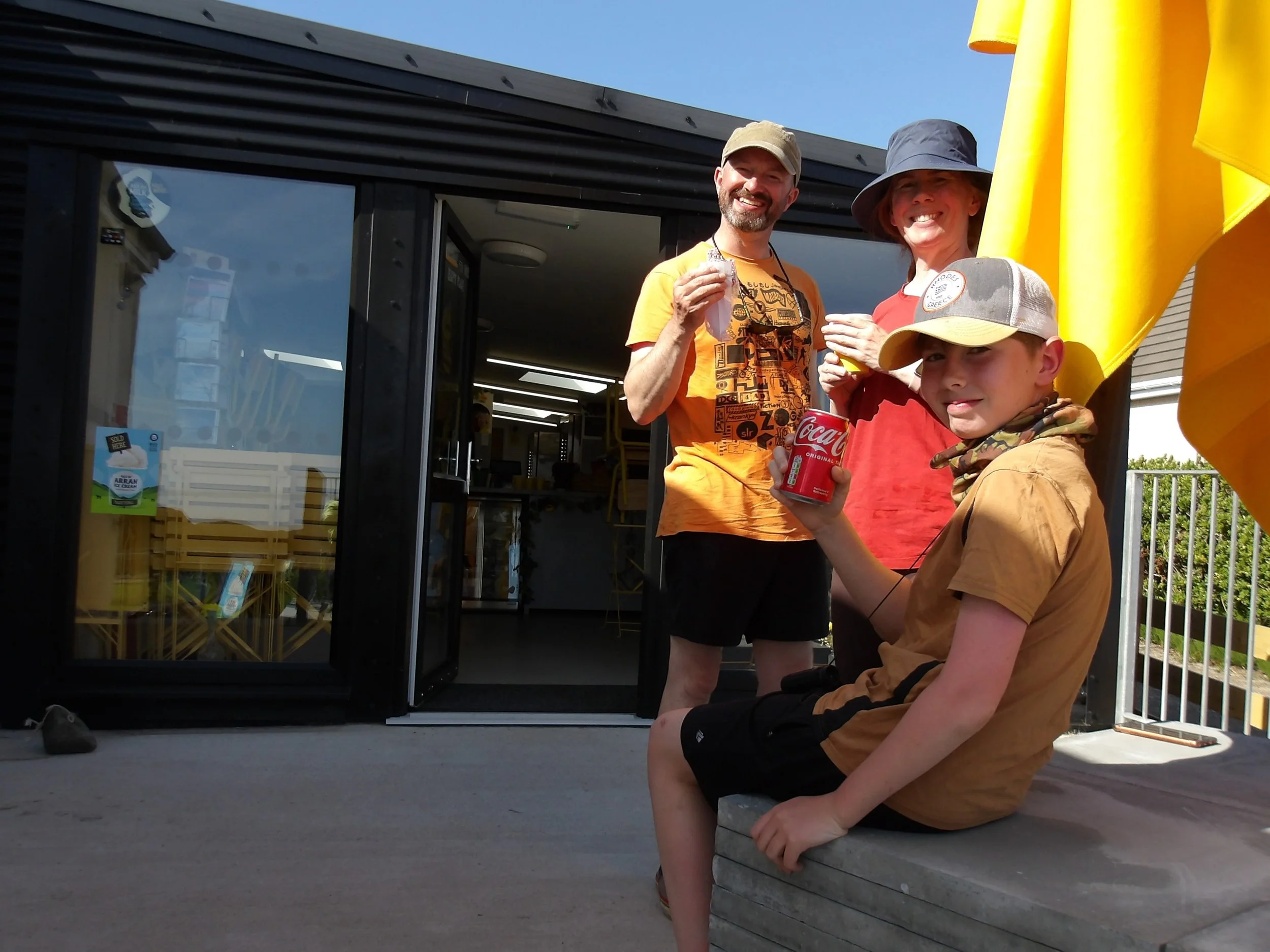
Back on land, there was one final highlight to enjoy. Kildonan now boasts a welcoming community café, newly built alongside the village hall and conveniently located beside our launch point at Yellow Port Harbour. After a memorable day on the water, we rewarded ourselves with tea and homemade cake – a well-deserved treat and the perfect way to round off a fantastic kayaking adventure.
If you'd like to experience Arran's wildlife, scenery and crystal-clear waters for yourself, we'd love to welcome you on one of our guided tours.
A Golden Festival of Arran’s Mountains and Coast
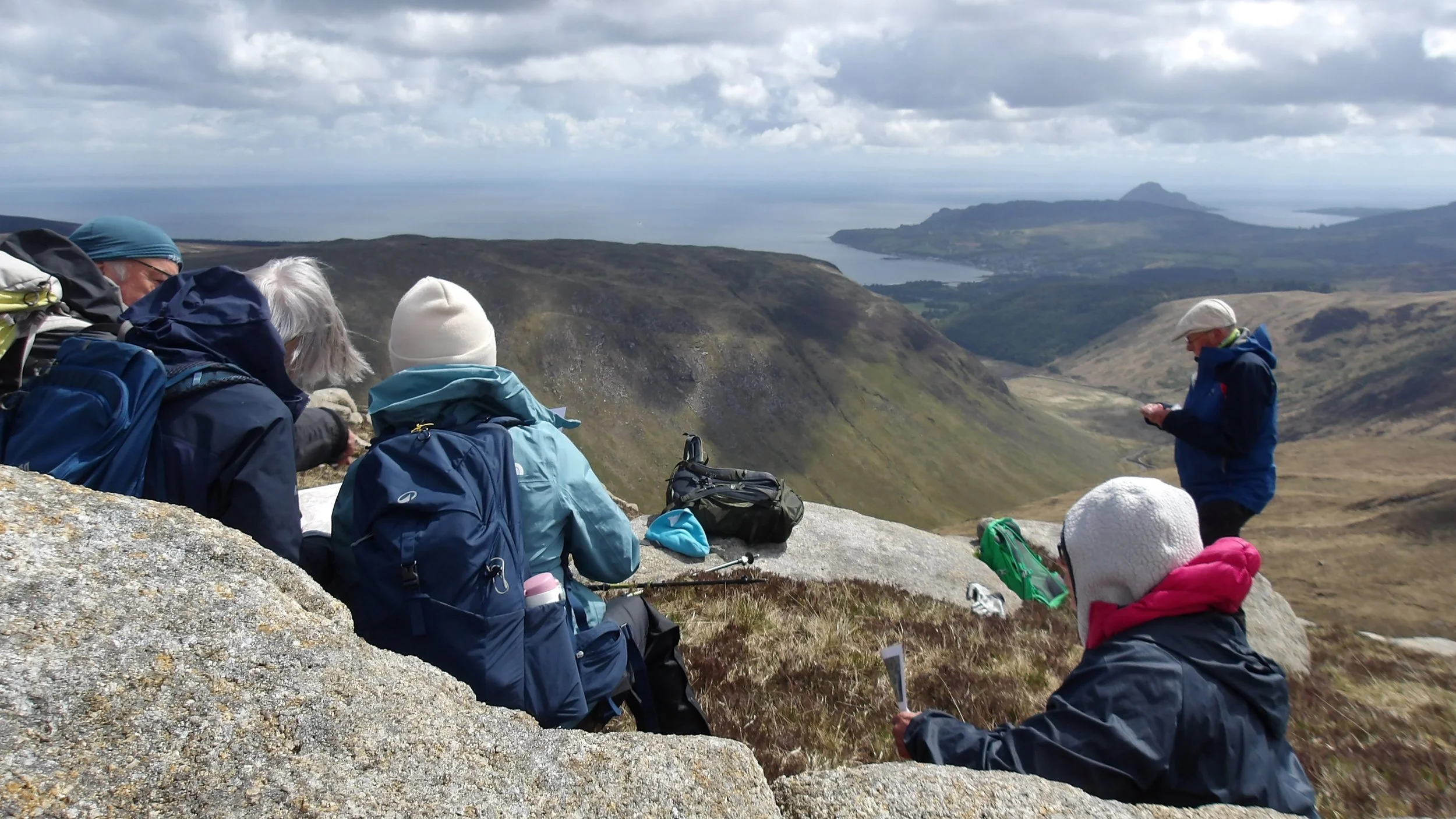
We were treated to a fantastic sighting of a golden eagle while attending an Arran Mountain Festival map and compass walk in Glen Rosa. The walk focused on developing navigation skills — reading the landscape, comparing features on the ground with the map, practising compass bearings, and using timing and pacing techniques.
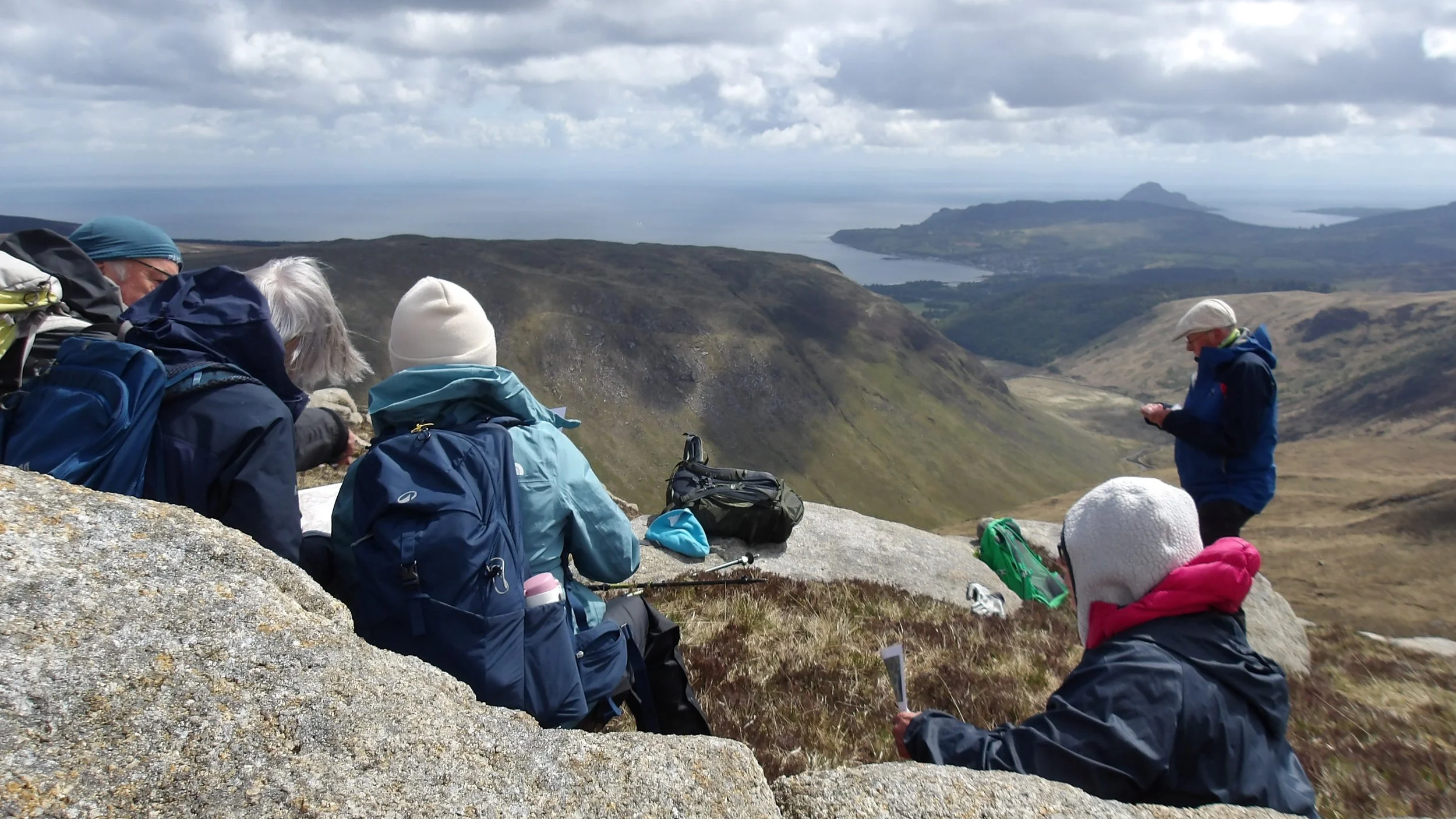
Held every May, the Festival brings together guided walks, runs, and scrambles led by knowledgeable local leaders across the unique landscapes of the Isle of Arran. Seeing Arran’s coastline from high on the mountain was a wonderful reminder of how closely connected the island’s mountains and seas are, and a perfect complement to the passage planning we use on our coastal kayak tours.
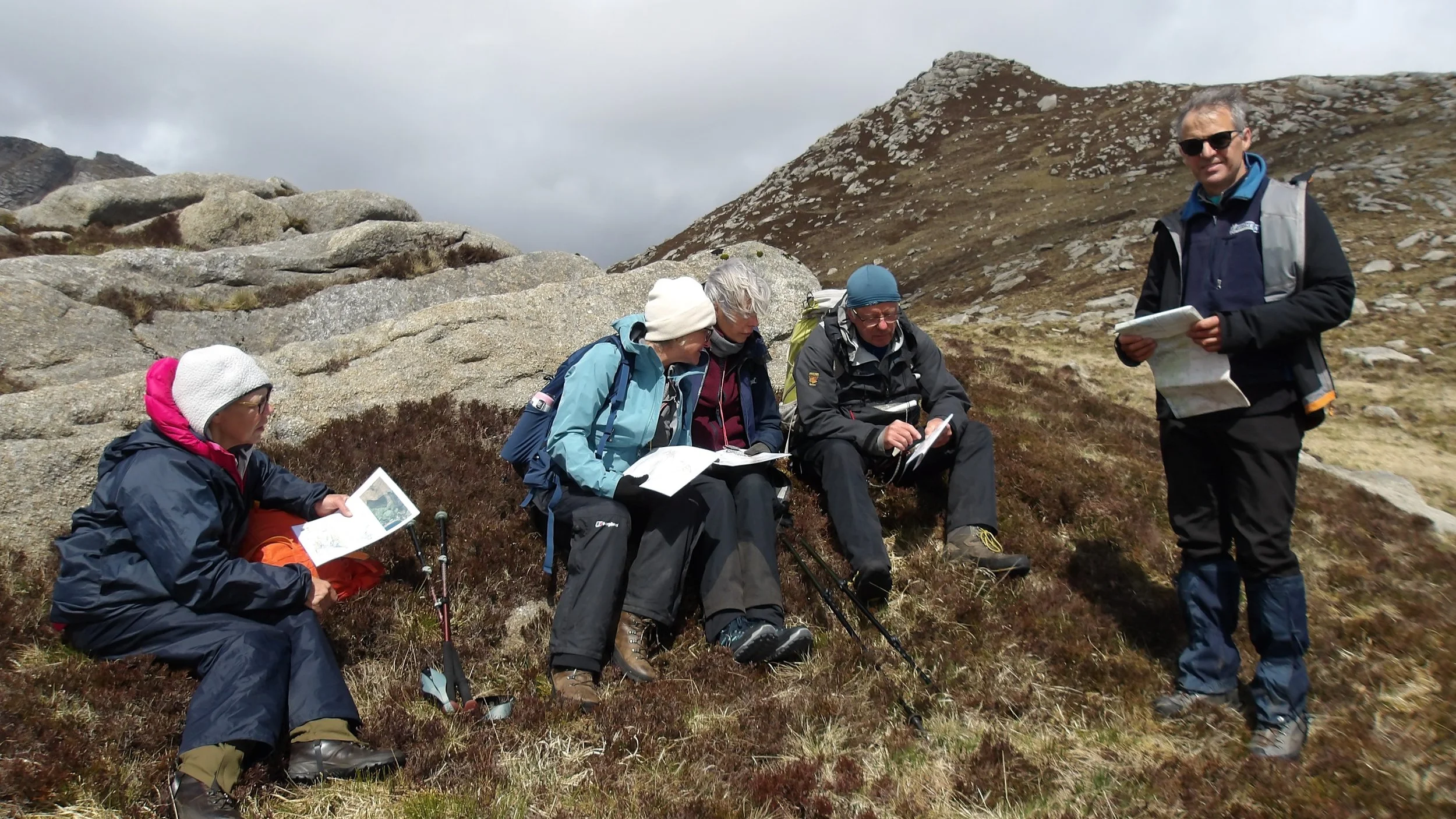
On the descent, we were lucky enough to watch a golden eagle gliding and circling near the Blue Pools in the afternoon sunshine — an unforgettable moment.
Kayak Arran was proud to sponsor the Festival and donate a kayak tour for two as a raffle prize at the ceilidh. The evening was full of energy, great music, enthusiastic dancing, and a fantastic band and caller.
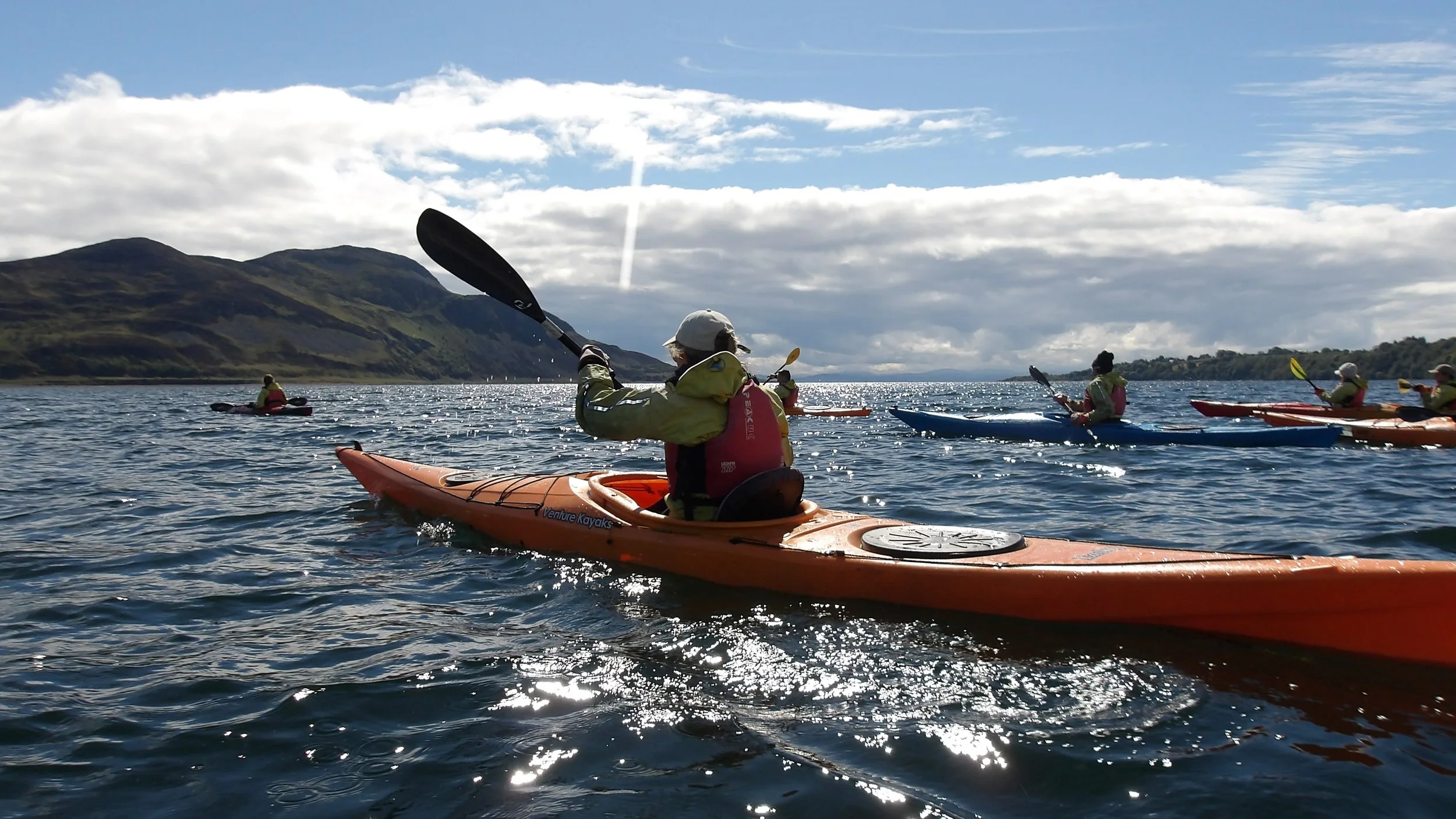
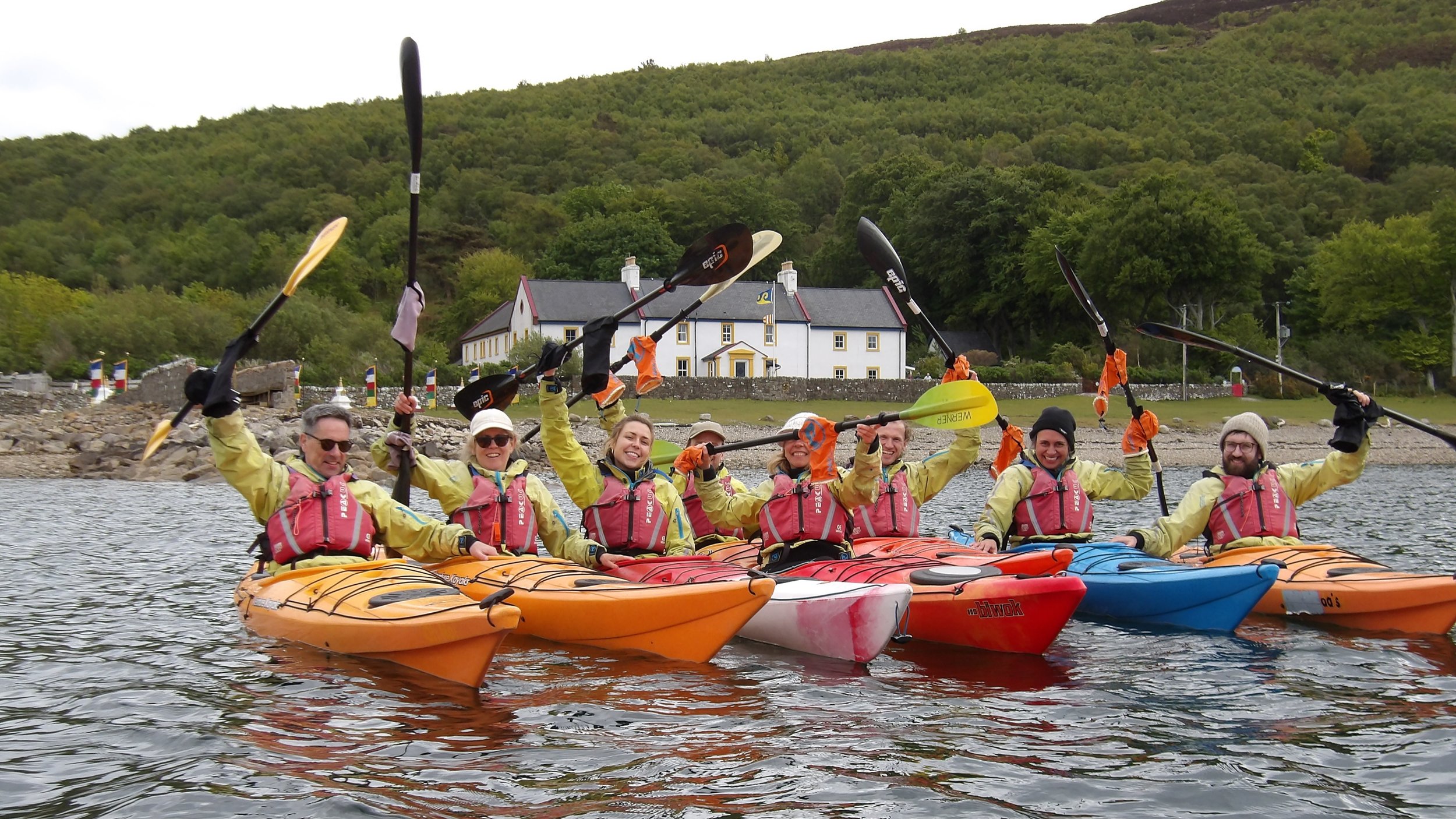
The raffle winners later joined us for a kayak tour to Holy Isle in perfect sunshine and calm conditions. Along the way we met the island’s wild Soay sheep, explored the Buddhist Centre for World Peace and Health, and spotted colourful starfish beneath the jetty.
Nature and tranquillity at centre stage for full-day Lochranza to Sannox Tour
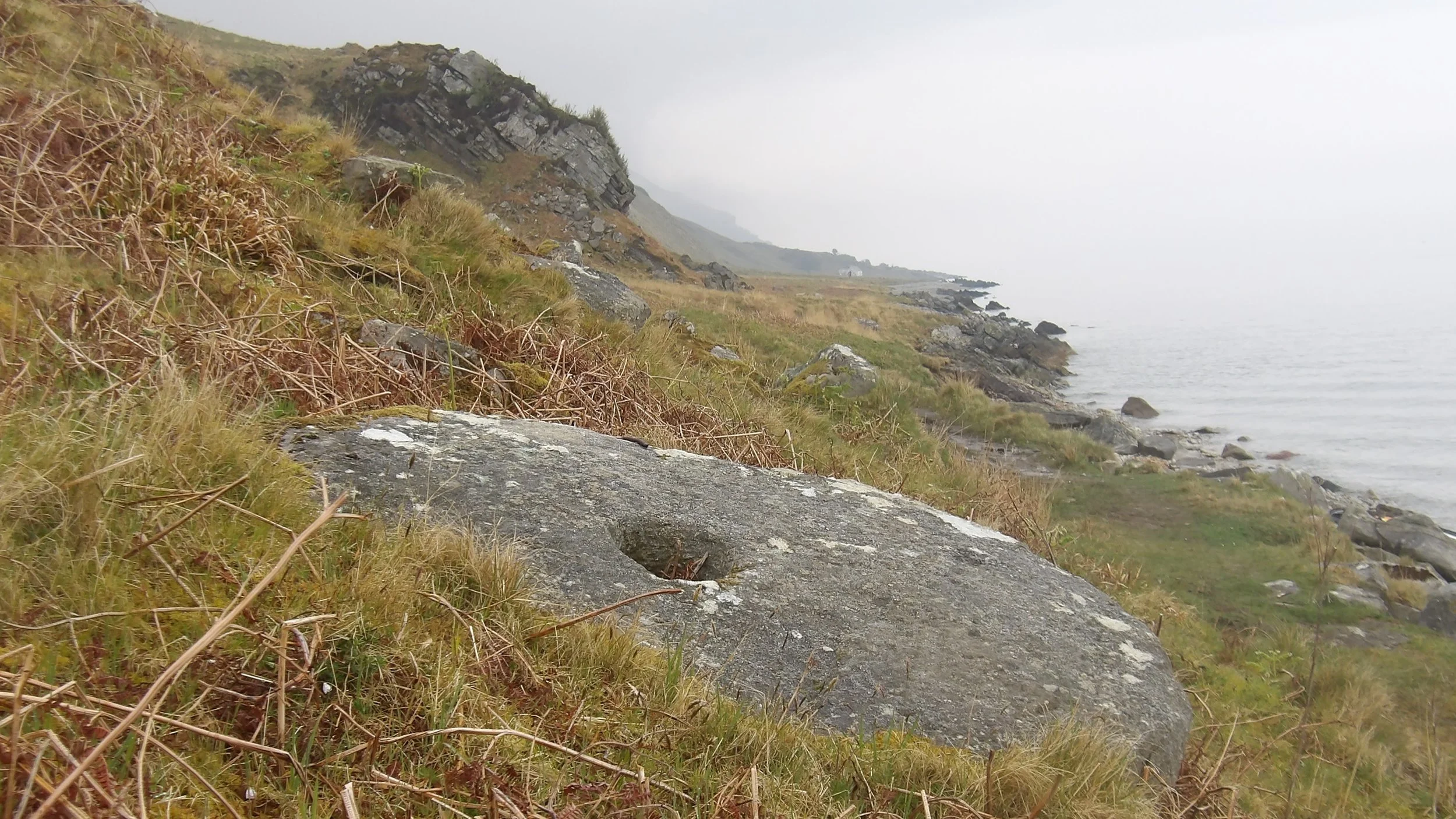
This beautiful stretch of Arran coastline was saved from industrial development five years ago, when plans for a huge salmon fish farm off Millstone Point were refused — preserving the peace, wildlife and natural beauty we enjoyed throughout the journey.
Lochranza Castle provided a hauntingly beautiful backdrop as we launched at mid-tide behind the ancient ruins. We warmed up paddling past a collection of elegant wooden yachts, including one formerly owned by Arthur Ransome of Swallows and Amazons fame.
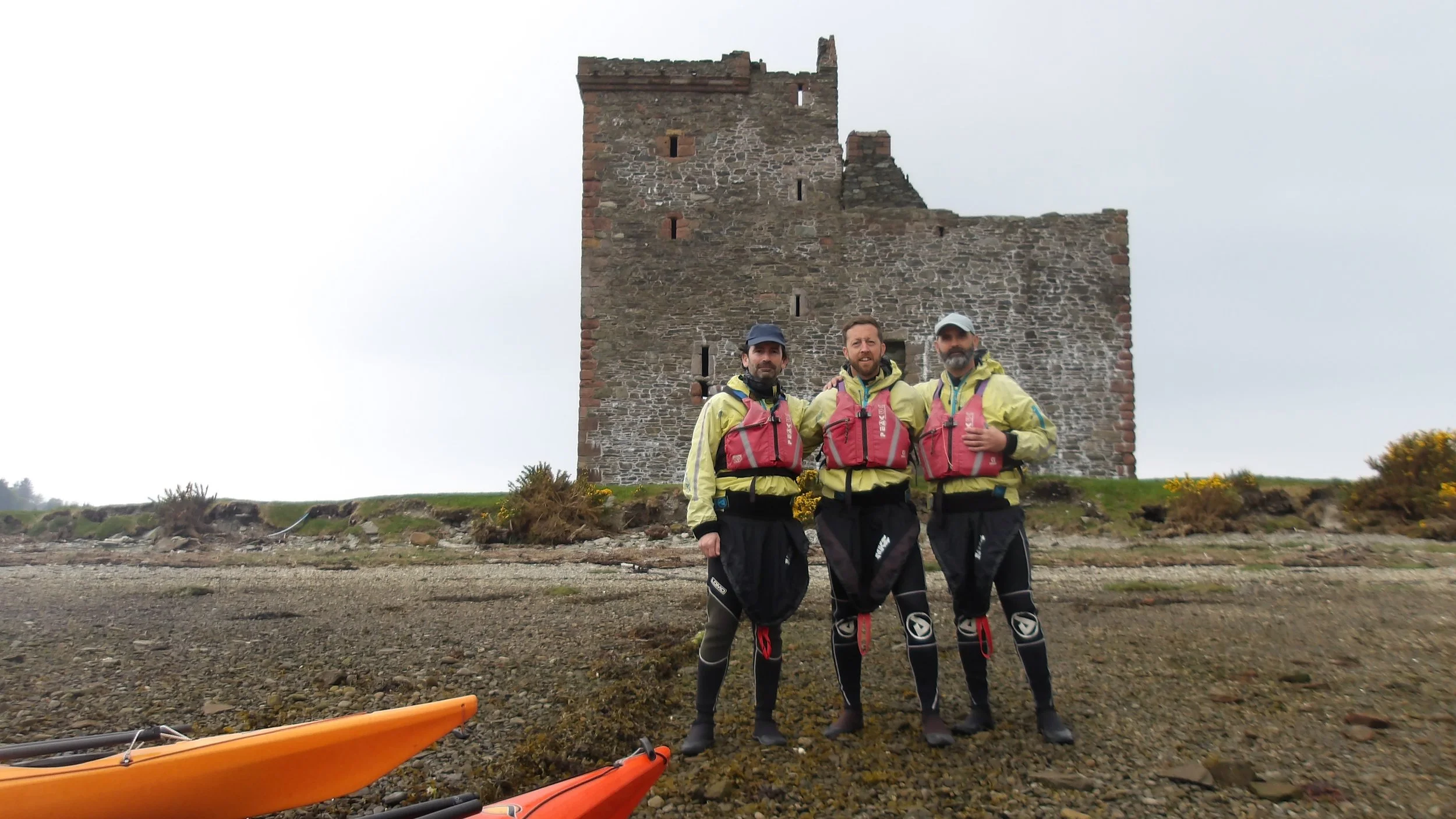
Lochranza Castle
With a helpful following wind, we soon reached Hutton’s Unconformity — the famous geological site where James Hutton, often described as the Darwin of geology, found key evidence that the Earth was vastly older than the 6,000 years previously believed.
We glided past the idyllic Fairy Dell cottage before reaching the dramatic Scoradale rockfall, a route far easier by kayak than the challenging boulder scramble faced by walkers along the shore.
Our first stop was Ossian’s Cave. Passing carved ships etched into the sandstone, we climbed into the darkness of the cave associated with Scotland’s legendary bard.
Arran’s industrial past revealed itself at the ruined salt pans, where coal was once mined and burned to evaporate seawater and produce salt for export. Nearby, within the old natural harbour, we viewed fossilised giant millipede trackways from the water.
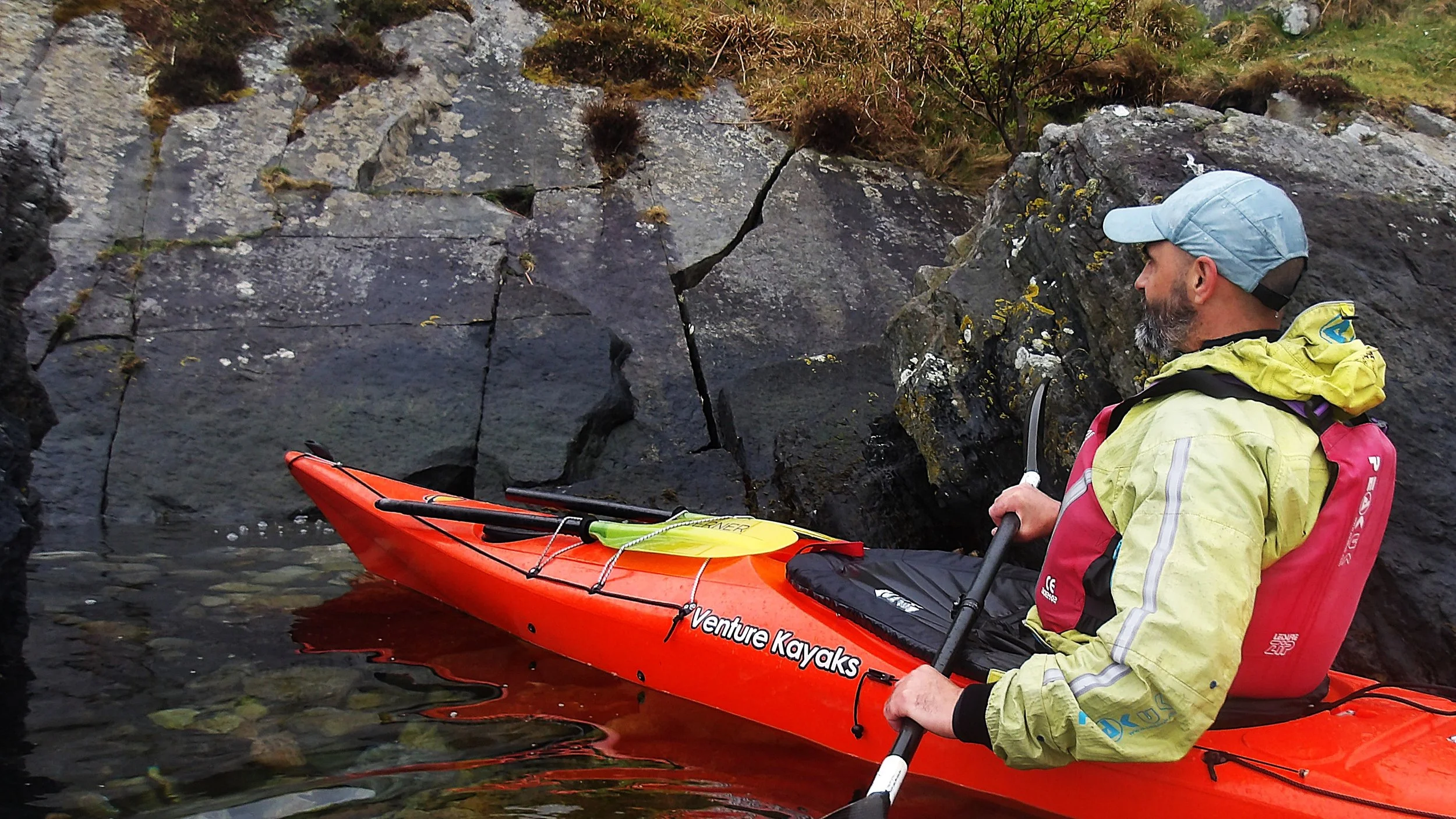
Giant millipede tracks - horizontal lines of footprints on the rock face within the scored rectangle
As the clouds lifted, we reached the peaceful shoreline around Millstone Point – the site of the proposed industrial fish farm. The lice infested cages would have poisoned the sea and had noisy diesel engines and flood lights 24/7. In stark contrast to what could have been, walkers pointed out a pair of harbour porpoises offshore.
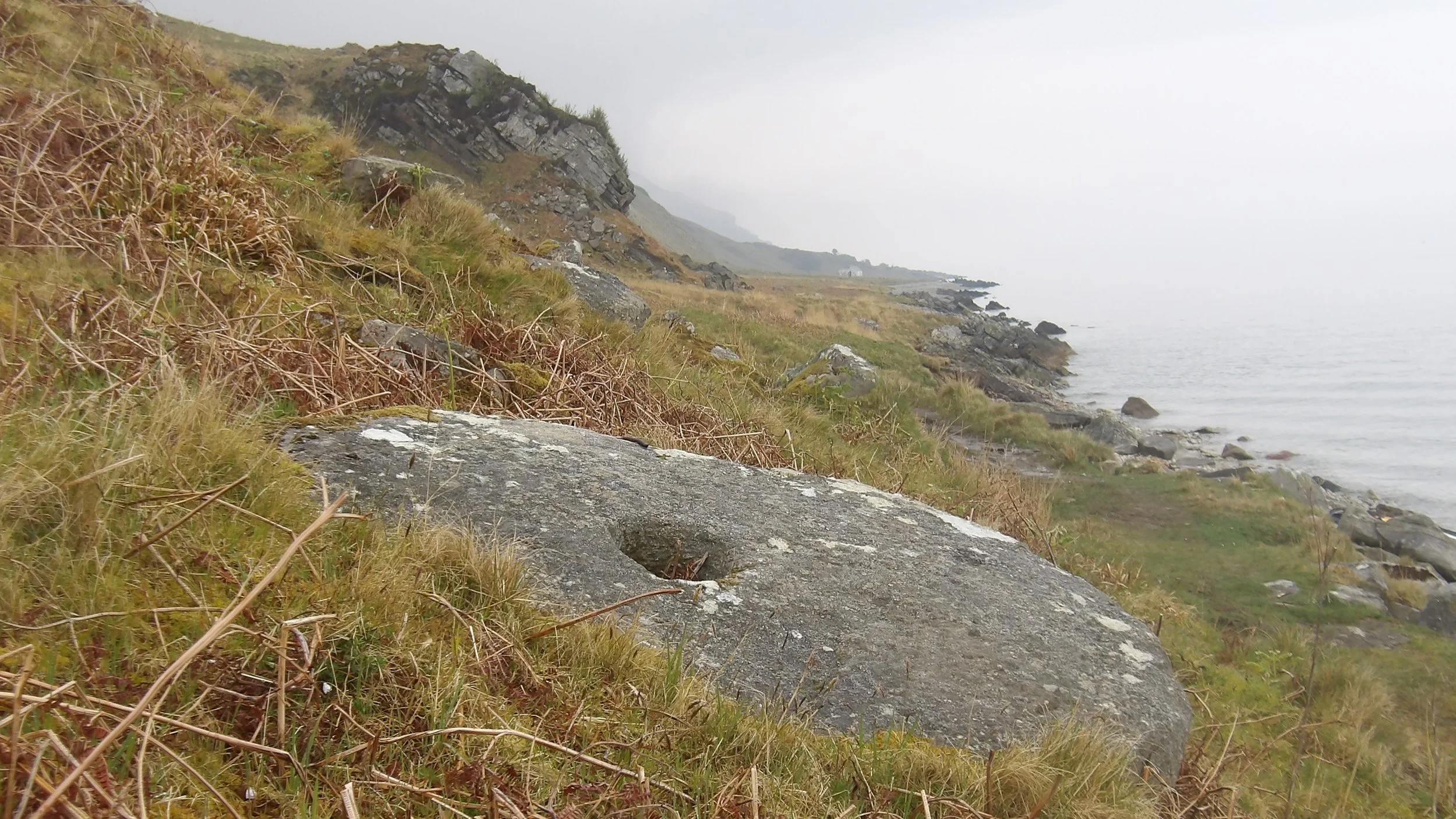
Millstone Point
Blue skies greeted us at the dramatic headland of Fallen Rocks, where we imagined the thunderous crashes Victorian residents must have heard as giant boulders tumbled into the Firth of Clyde.
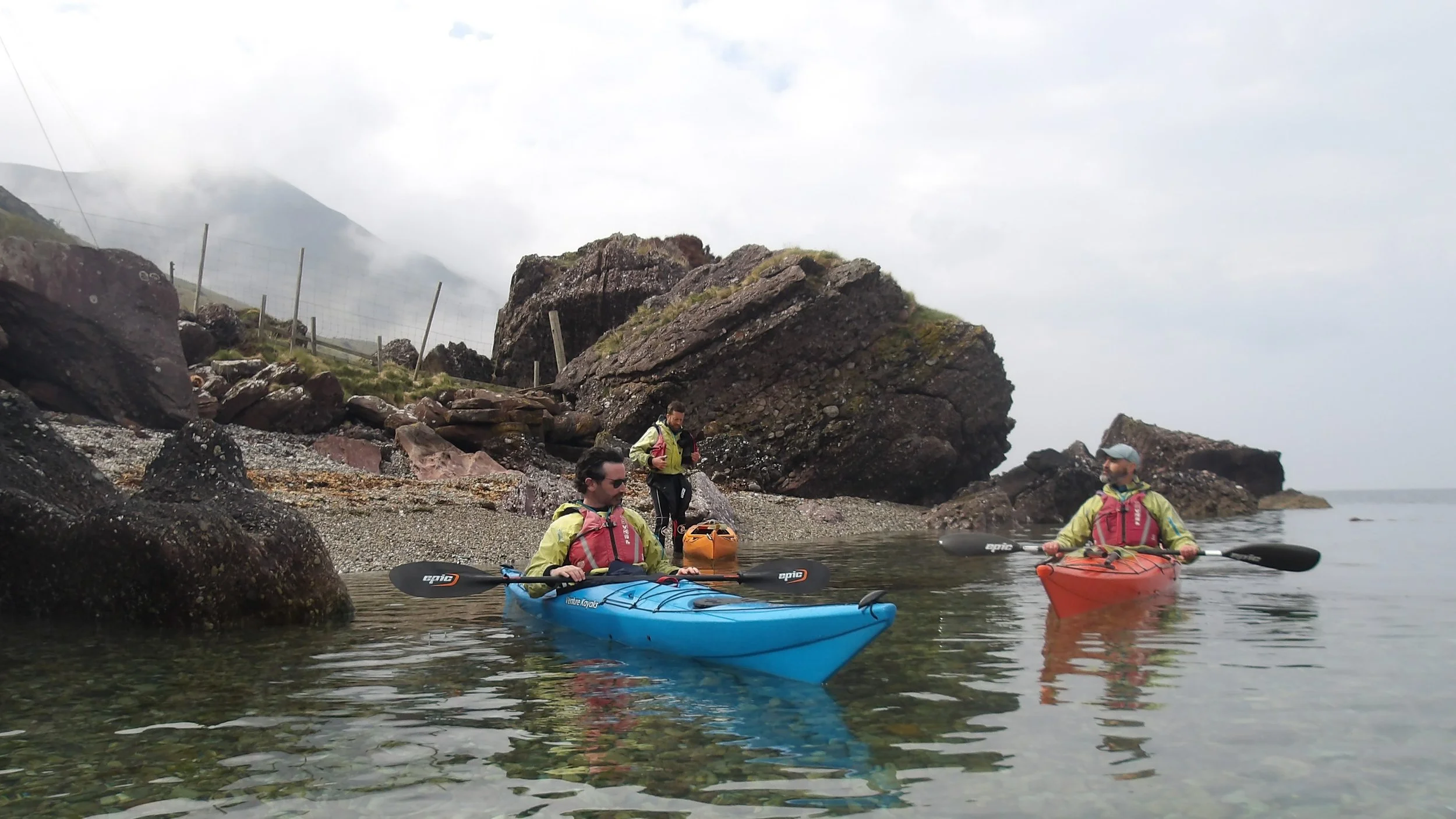
Fallen Rocks
Towards the end of the journey, we paddled up the burn at North Sannox beside a lively wild camping area busy with May Bank Holiday visitors enjoying a night under canvas.
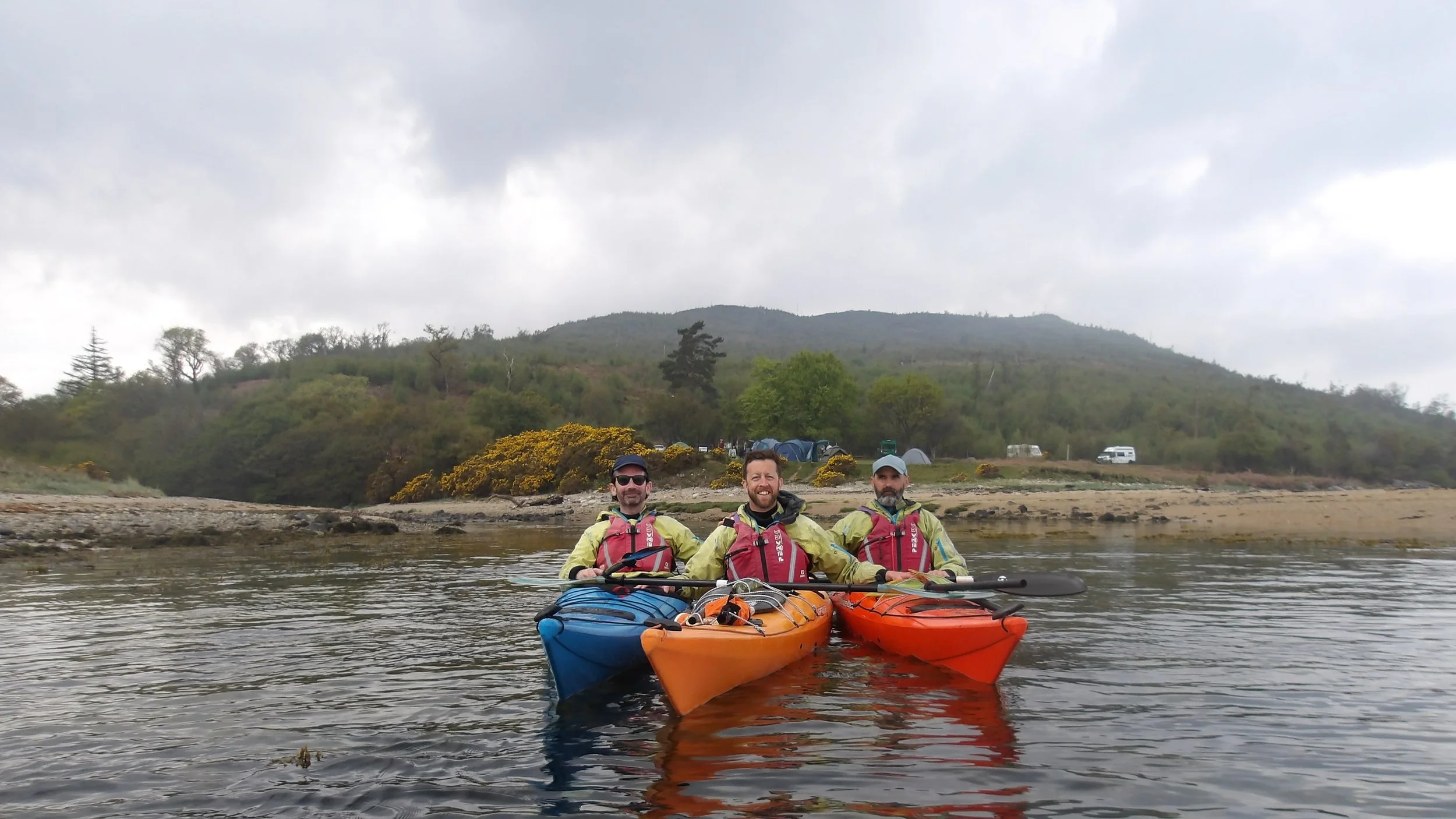
North Sannox
To finish the trip, we swept past Sannox’s magnificent beach before making our way up the neighbouring river to land, pack the kayaks onto the trailer, and reflect on another unforgettable day on Arran’s coast.
Our geological adventure wasn’t quite over — on the drive to Corrie, we stopped to visit the Doctor’s Bath and remarkable fossilised lightning strike.
New Inland Kayaking Route on the Isle of Arran After Winter Storms
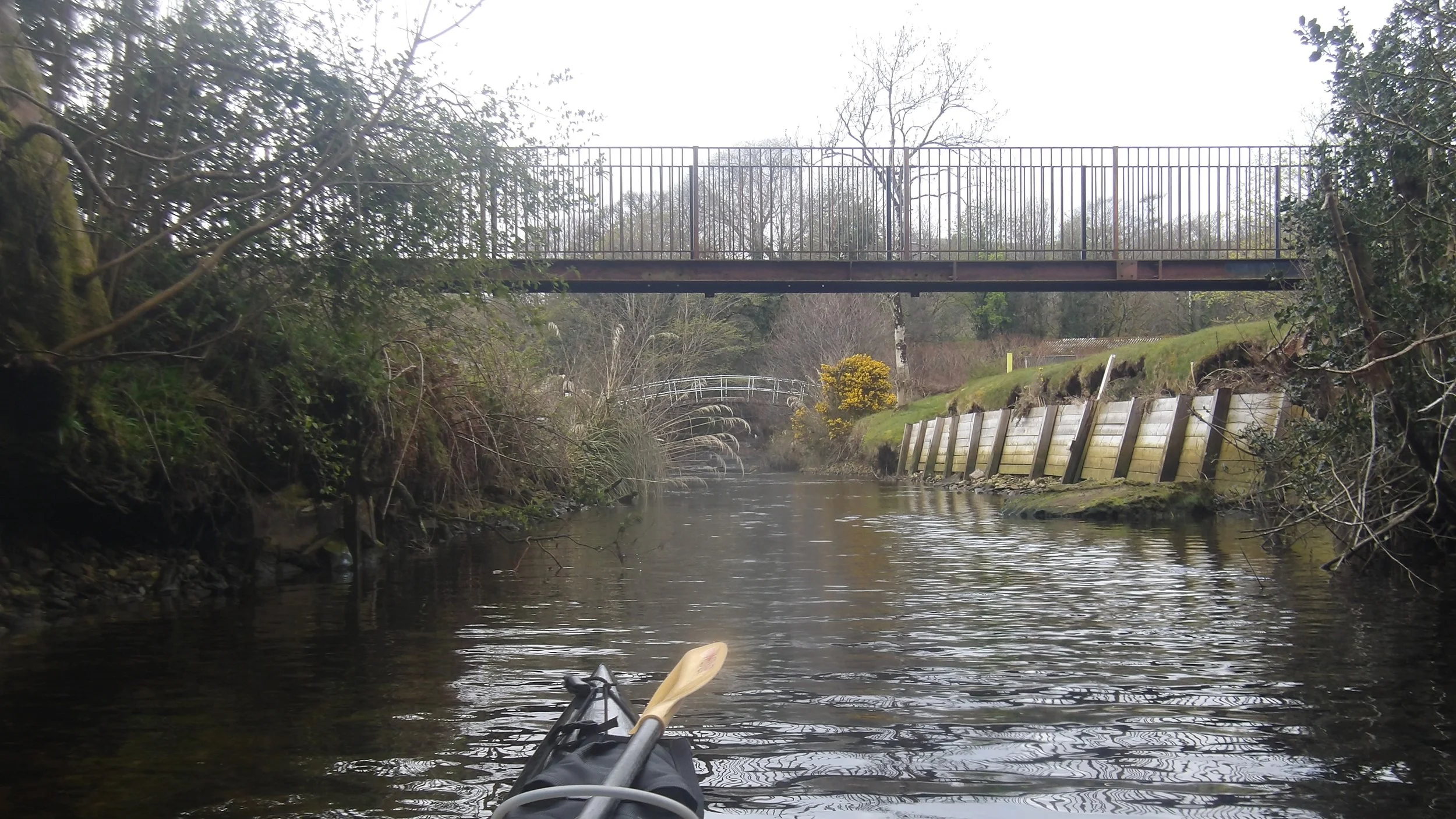
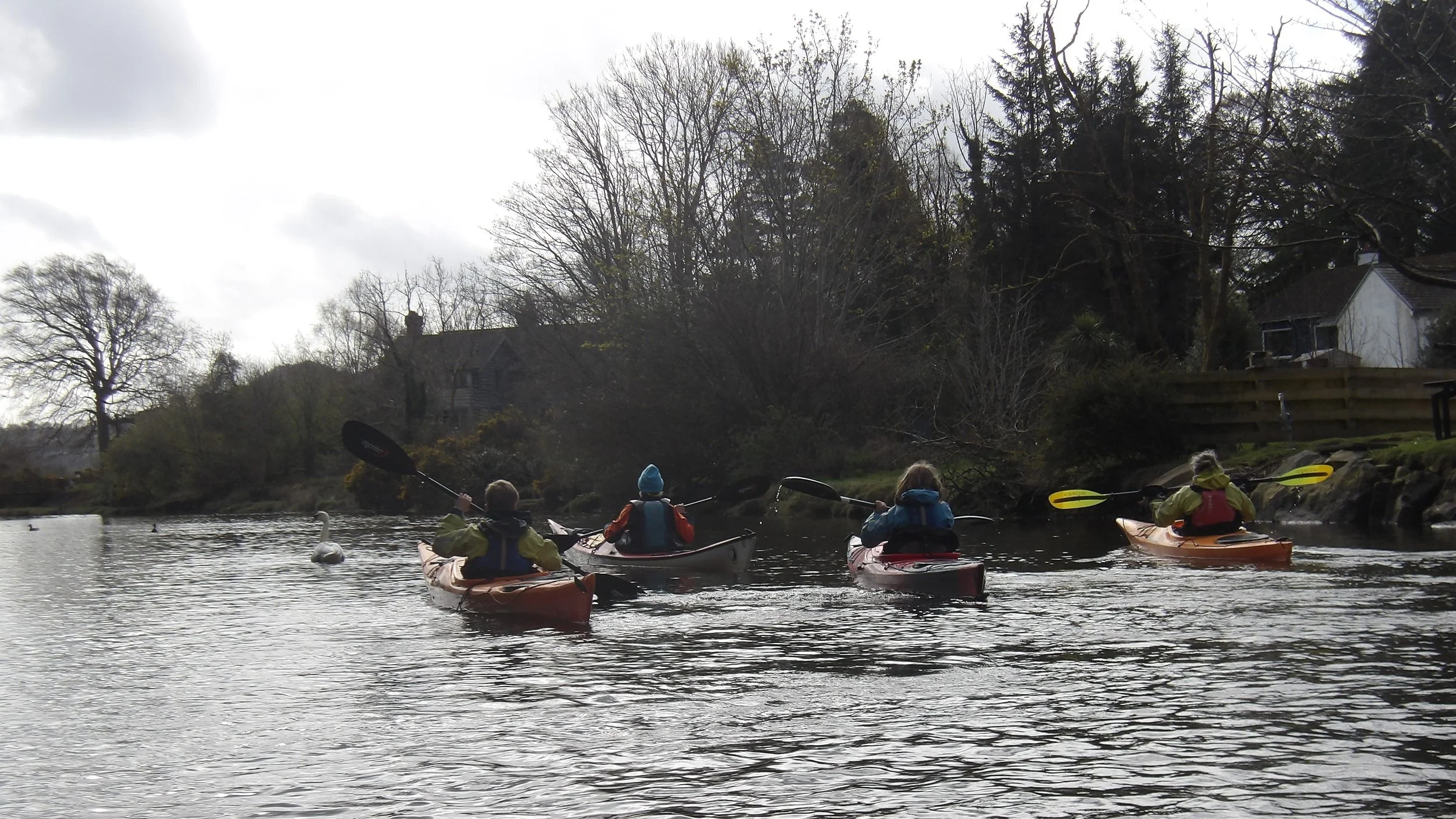
A new stretch of Glen Cloy on the Isle of Arran is now deep enough for kayaking, extending inland routes for Kayak Arran tours. Around high tide, paddlers can explore this wild and scenic river from Brodick while spotting wildlife such as kingfishers and herons.
Best Time to Kayak Glen Cloy
Glen Cloy and Glen Rosa meet Brodick Bay just a few hundred metres from Brodick’s main seafront. Both rivers are accessible by kayak around high tide, when water levels allow safe and enjoyable inland paddling.
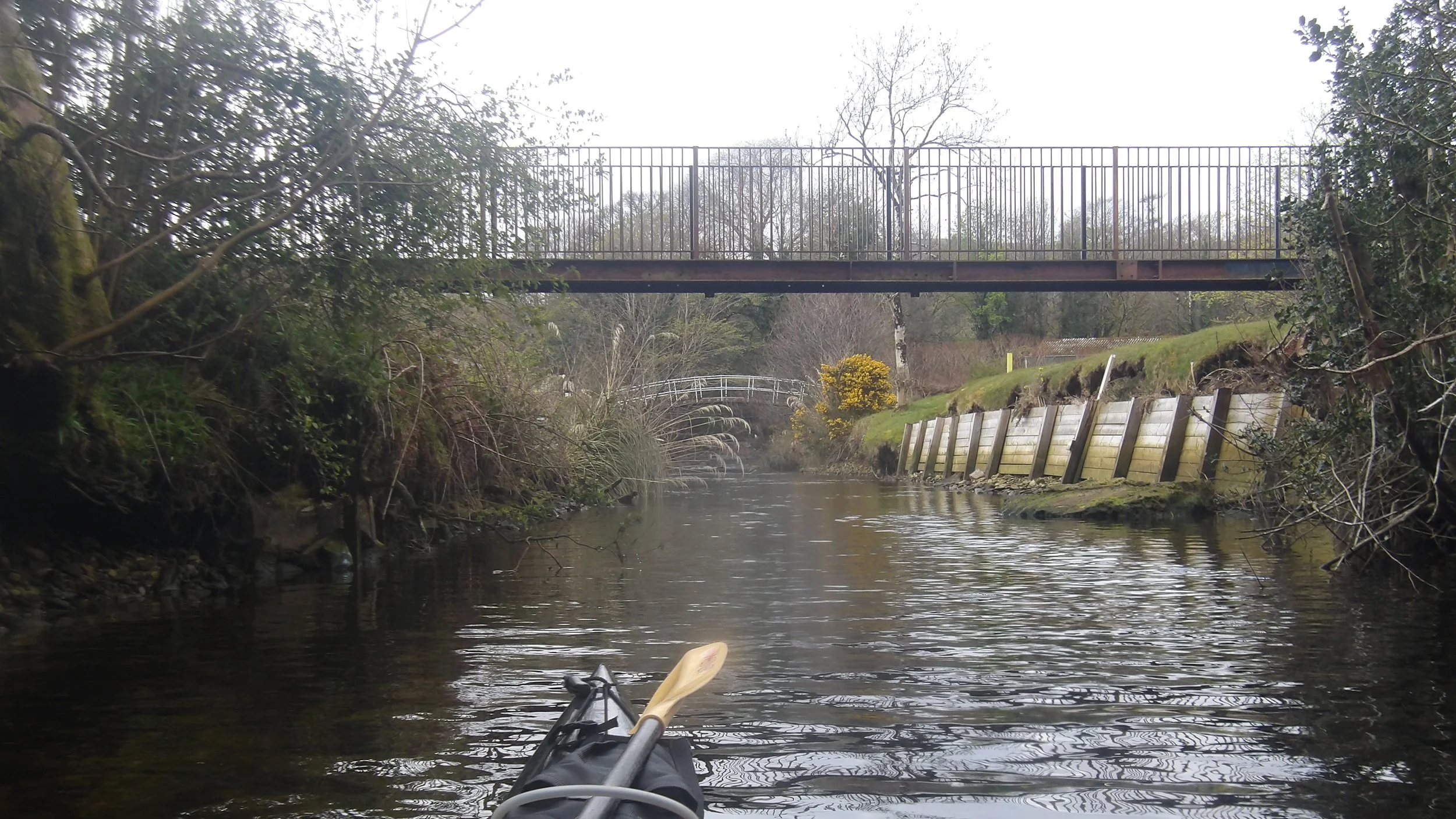
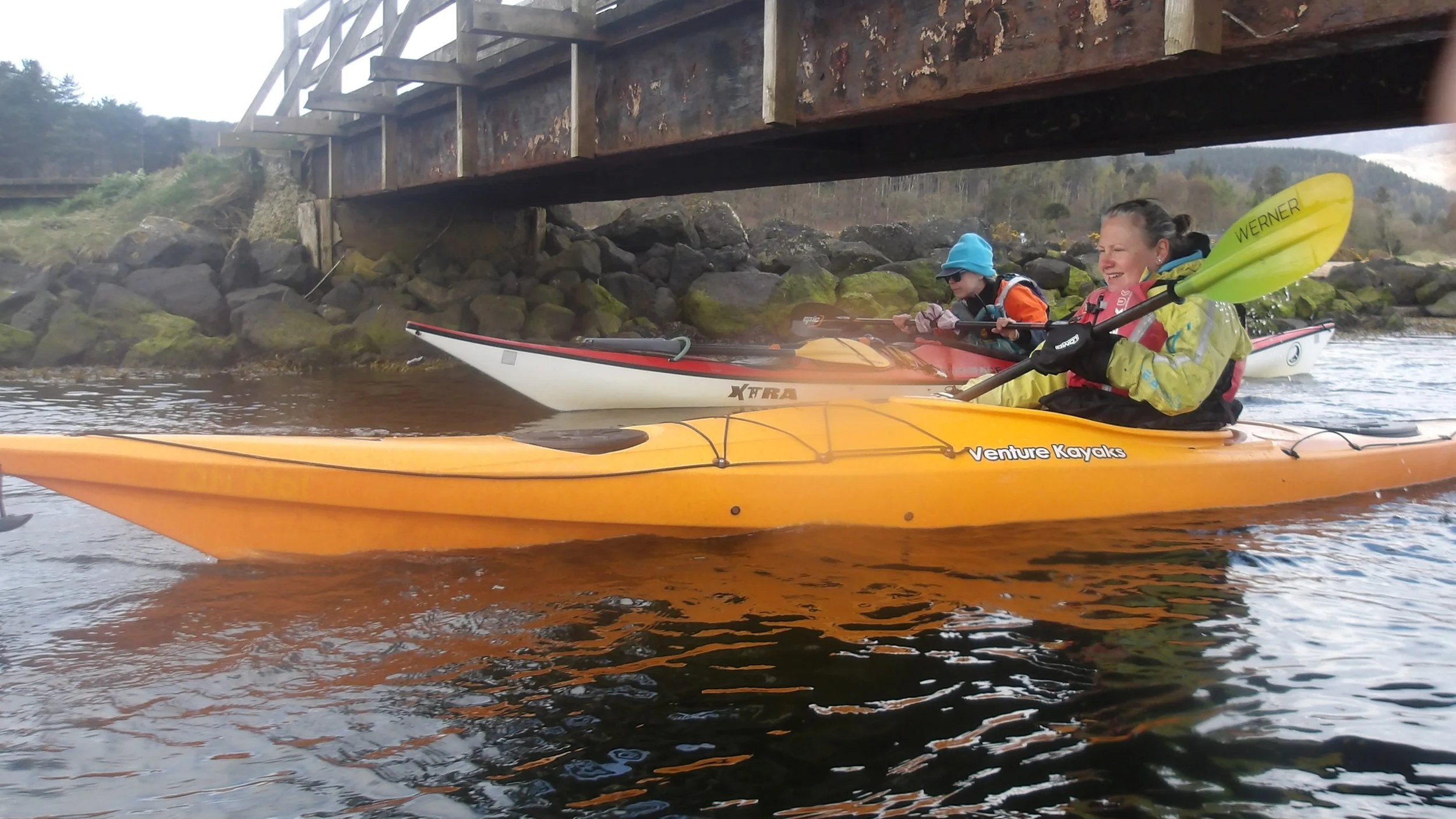
The mouth of Glen Cloy is partially restricted by a footbridge on the coastal path leading to Brodick Castle and the Arran Botanicals beach bar. Shortly before or after high water, it is possible to paddle underneath the bridge and continue upstream beneath beautiful overhanging trees, with the park on one side and the golf course on the other.
How Winter Storms Changed the River
Recent winter storms have increased water flow and deepened sections of the river, allowing access further upstream than before. A similar change has taken place on neighbouring Glen Rosa, where the stretch near the Arran Heritage Museum is now wider and deeper.
Wildlife and Scenery
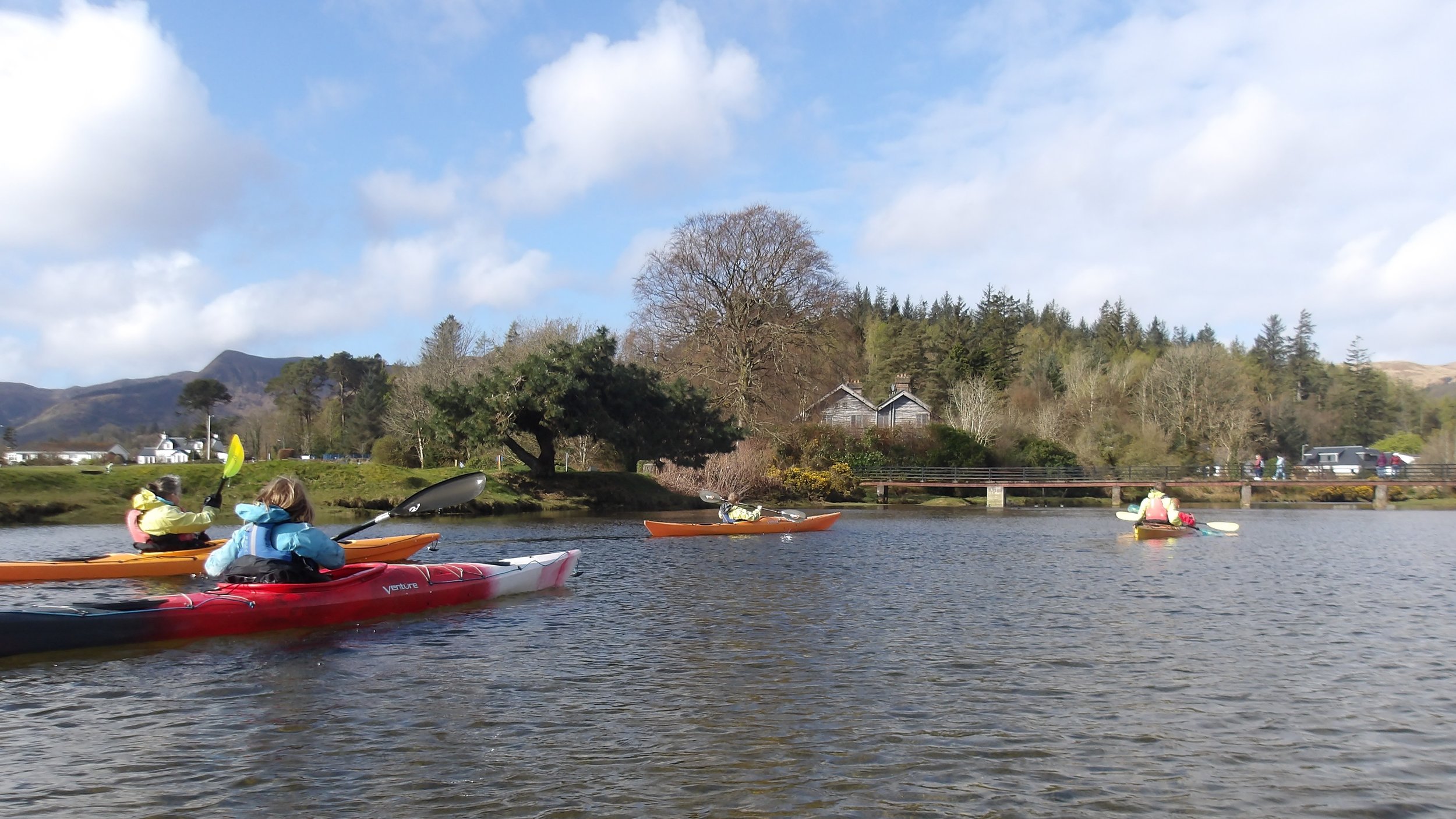
These sheltered inland routes offer a calm alternative to sea kayaking and provide excellent opportunities to spot local wildlife in a peaceful setting.
Join a Kayak Tour on Arran
If you’d like to explore Glen Cloy and other unique paddling routes on the Isle of Arran, join one of our guided kayak tours from Brodick. Contact Kayak Arran to find the best times to paddle based on the tides.
Dramatic Season Opening - Dolphins and A Mayday Call
As part of our safety preparation for the season we attended a Watersports First Aid course at Toward Seasports Club run by Phil Keetley. To make the most of our trip to the hard to access mainland north of Bute and Phil’s top class practical teaching skills, we opted for an additional day of practical sea kayak first aid scenario training. The exercises in the strong wind, rain and cold reinforced the classroom lessons, particularly to understand the need to assess an emergency situation and urgent need to deal with hypothermia.
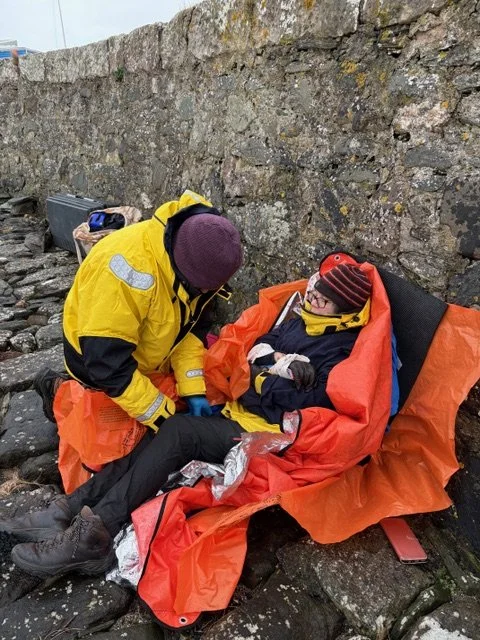
Hypothermia rescue scenario
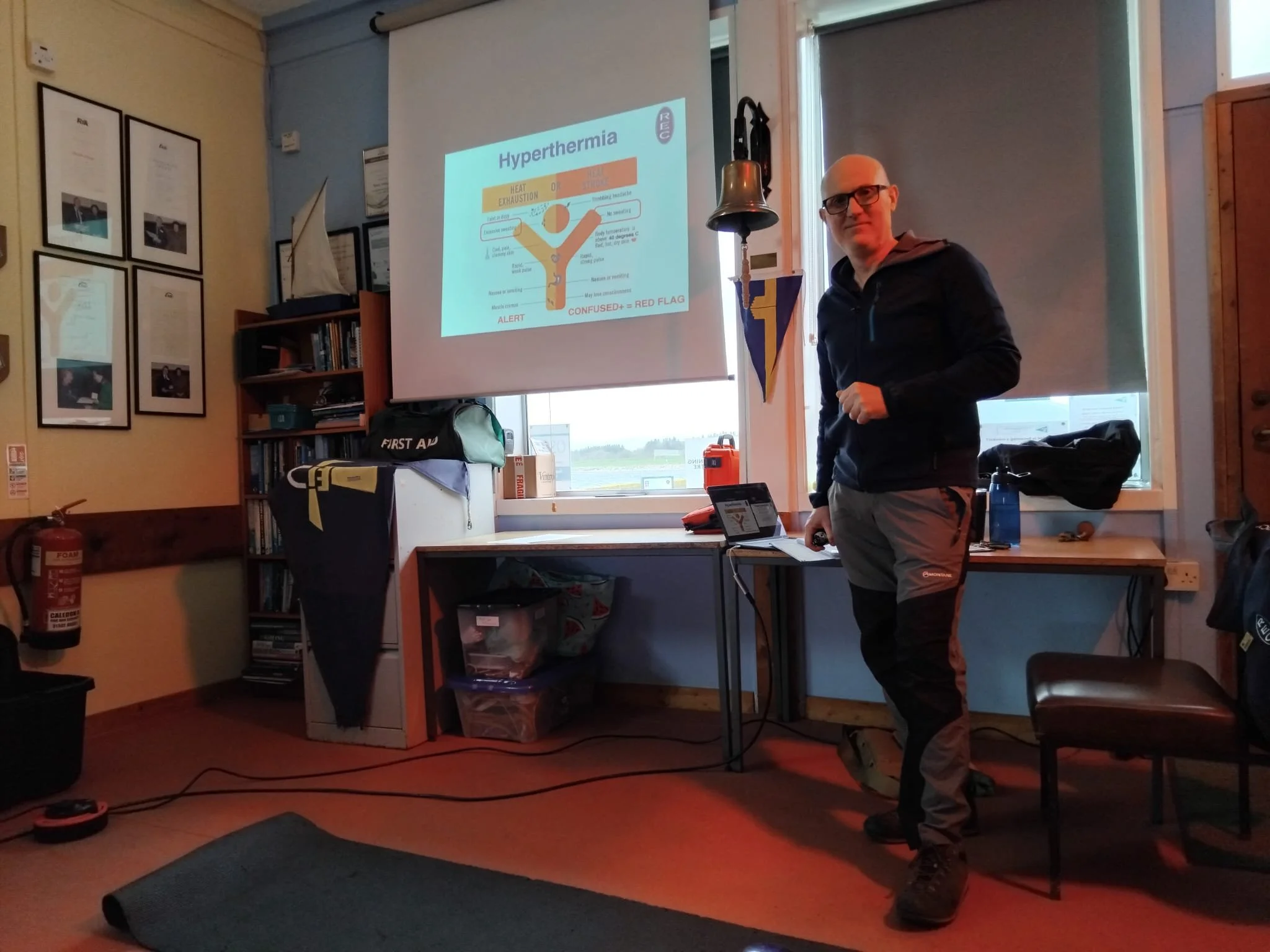
Phil Keetley teaching first aid
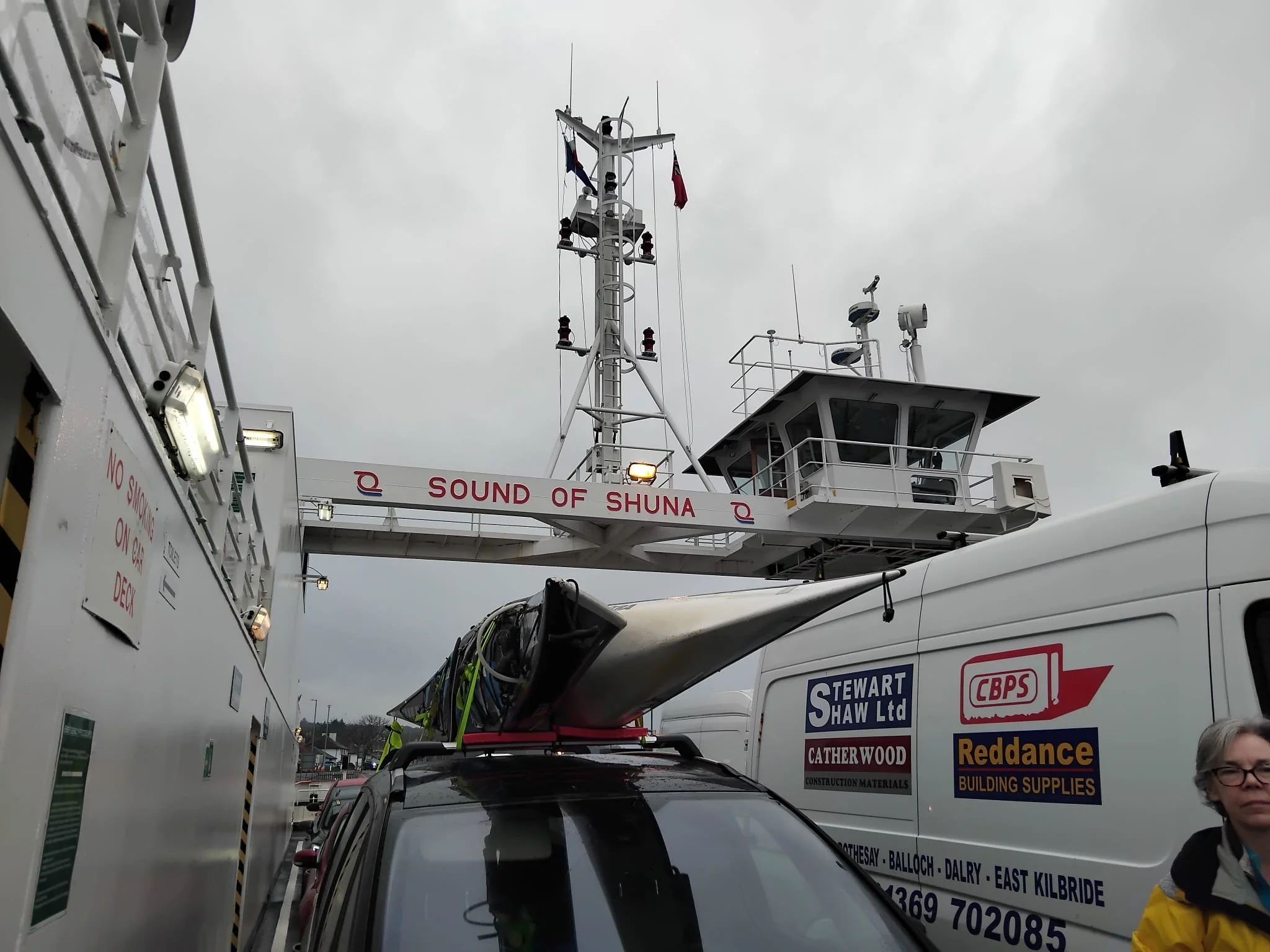
Travelling Gourock to Dunoon and on to Toward
Back on Arran, to ease ourselves into the new season, we went kayaking on Lamlash Bay and visited Holy Isle. Our our way back we were greeted by two dolphins, their tall, slightly curved dorsal fin clearly visible as they travelled south. The perfect start to our wildlife watching year.
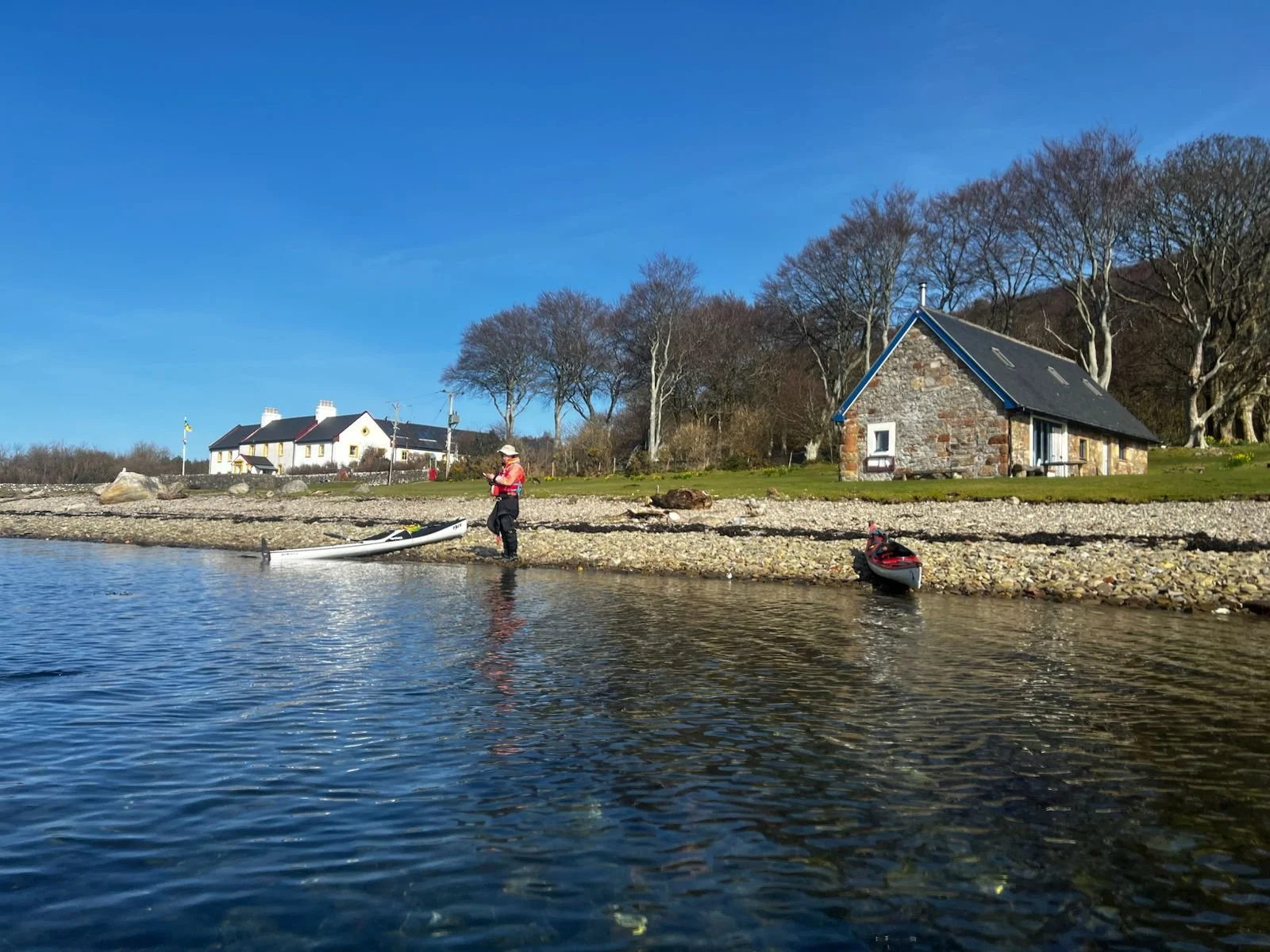
Holy Isle in the sunshine
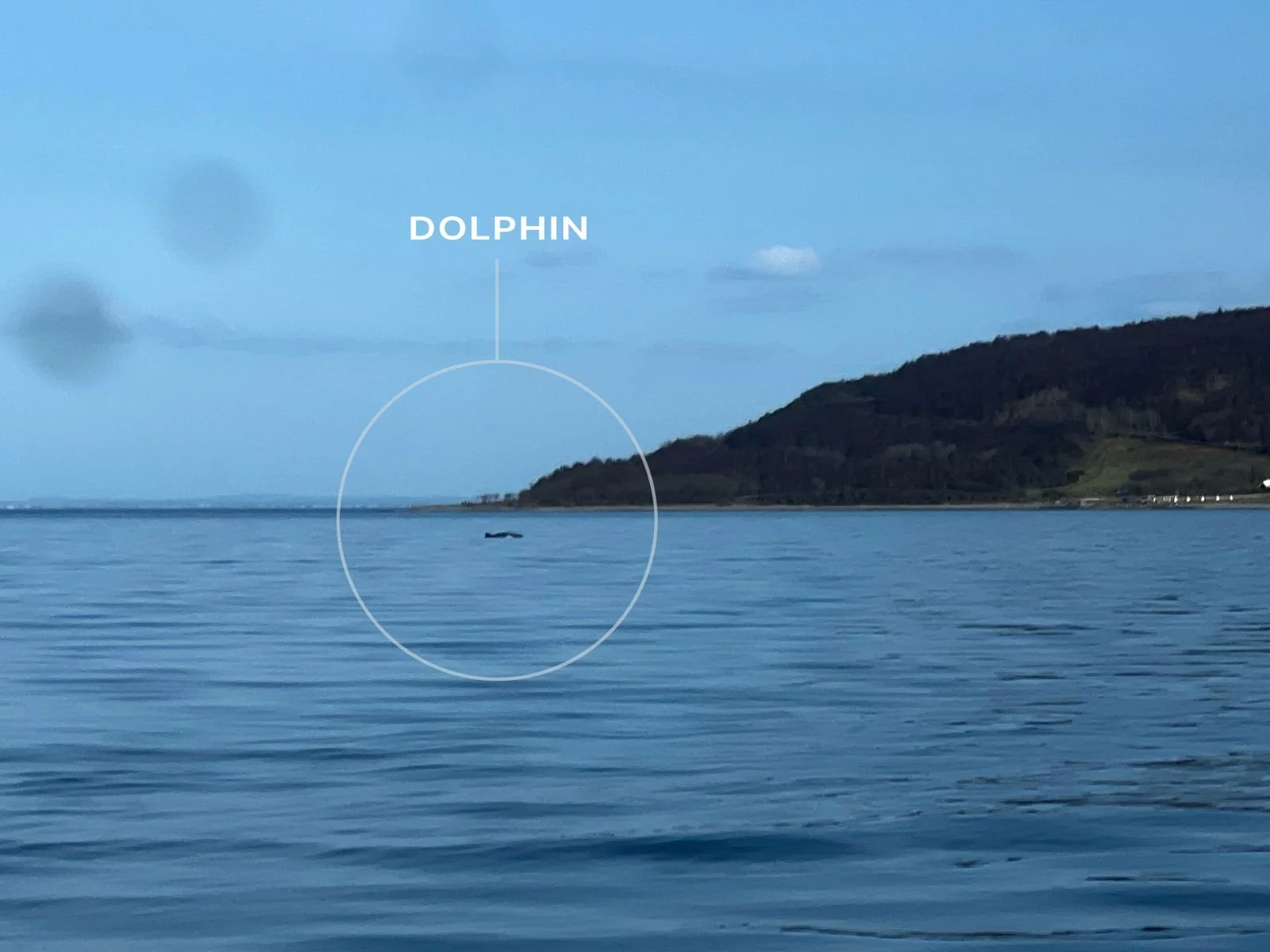
One of the two dolphins spotted travelling south
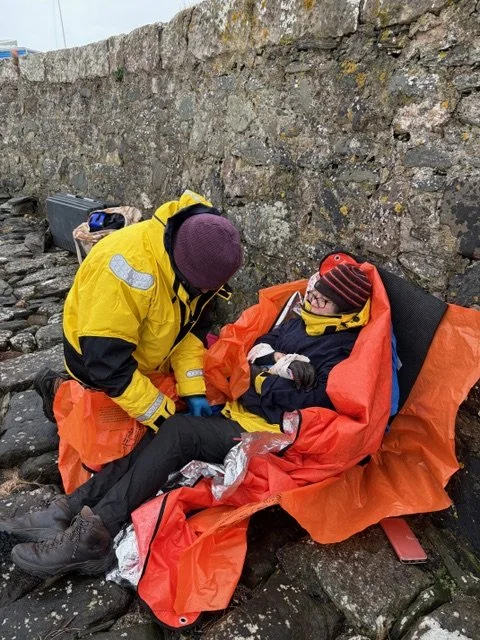
The following day, with our first client of the season, we were heading past Lamlash in search of seals when we heard an unusual sound. We investigated and discovered a swimmer in distress. Realising that she may have been very cold, we helped her onto the back of one of our boats, called mayday on the radio to alert the coastguard, and towed the rafted boats to shore. Half way to land, realising we would reach the slipway before the lifeboat could launch, we called on the radio for an ambulance. On landing, we helped keep the casualty warm with a mat, blanket and foil sheet. Fortunately, the lifeboat crew and, soon after, ambulance arrived to provide professional care.
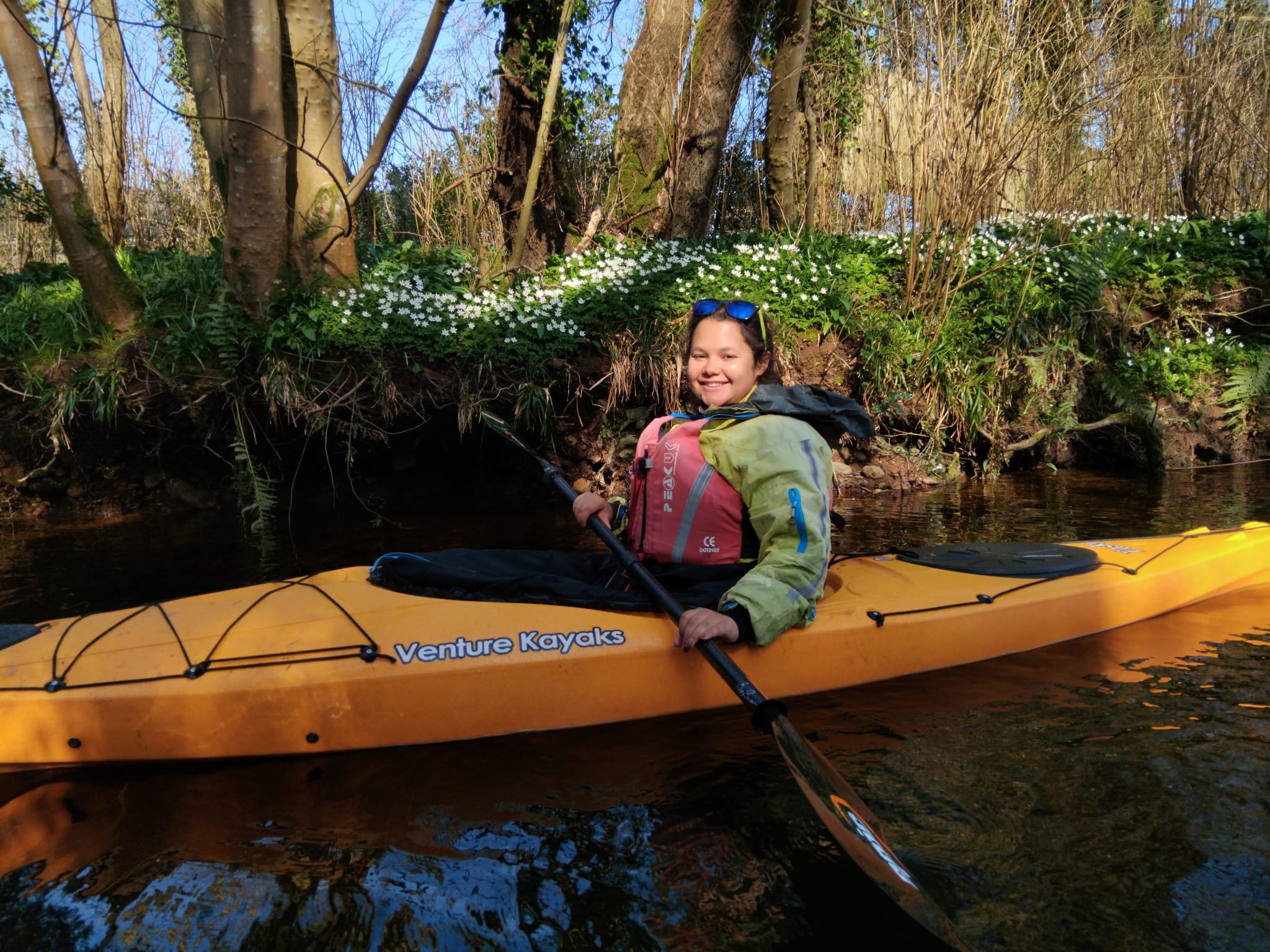
Exploring one of the rivers that feed Lamlash Bay
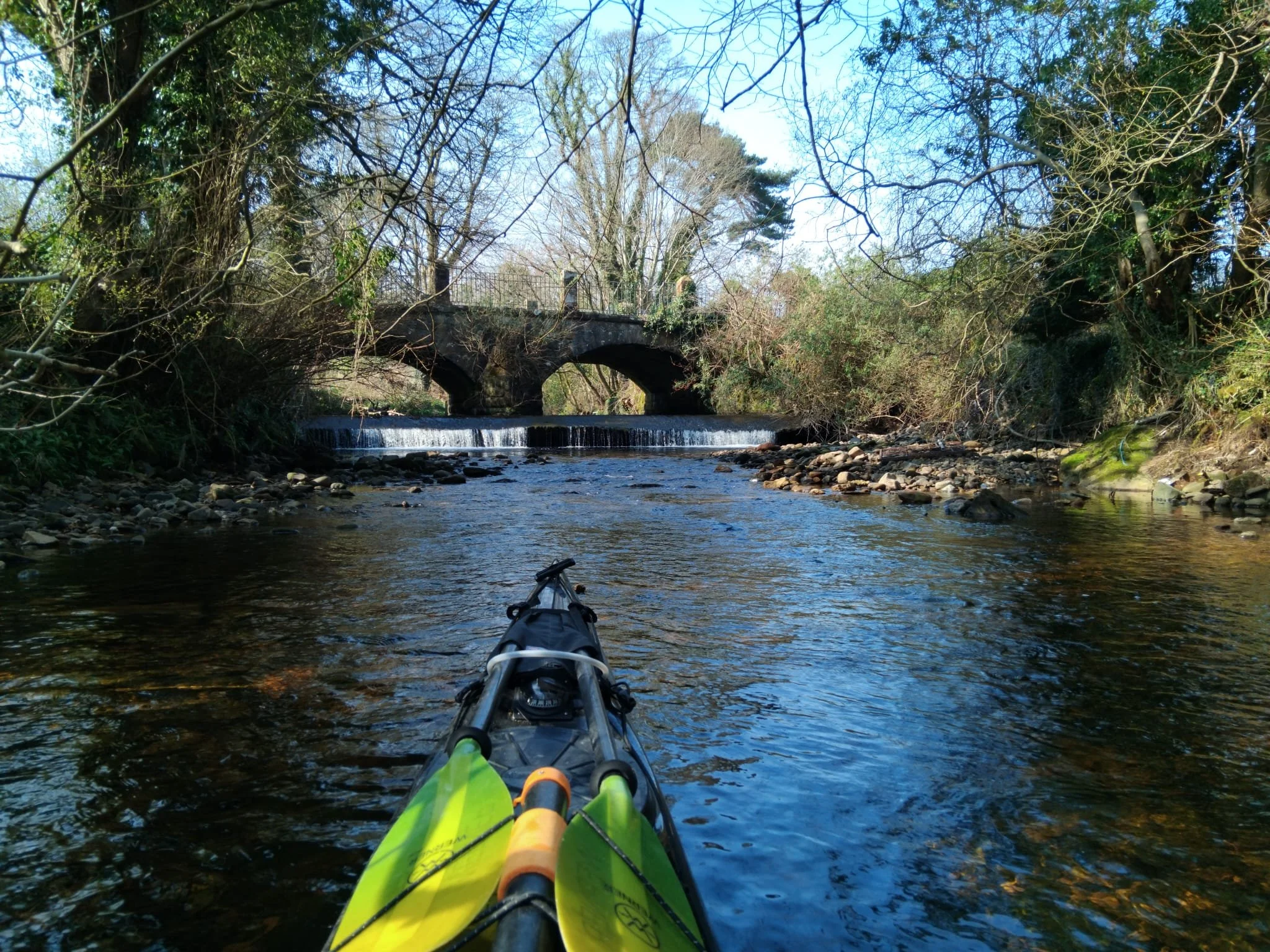
The equinoctial high tide enabled us to see the bridge
Many thanks to Phil of Sea Kayak Argyll and Bute for helping us prepare for such an emergency.
Discover Scotland’s Wildlife: Glen Rosa Restoration and Sea Eagles
The west of Scotland is famous for its dramatic landscapes and wildlife. Recently we had the chance to explore conservation projects and meet the people—and animals—helping shape our natural future.
A Walk with the Arran Community Land Initiative
As part of the Arran Environment Festival, we joined a guided walk through the Arran Community Land Initiative (ACLI). This inspiring community project sits on land that was once intensively farmed but has been gradually allowed to return to nature over the past 10–40 years.
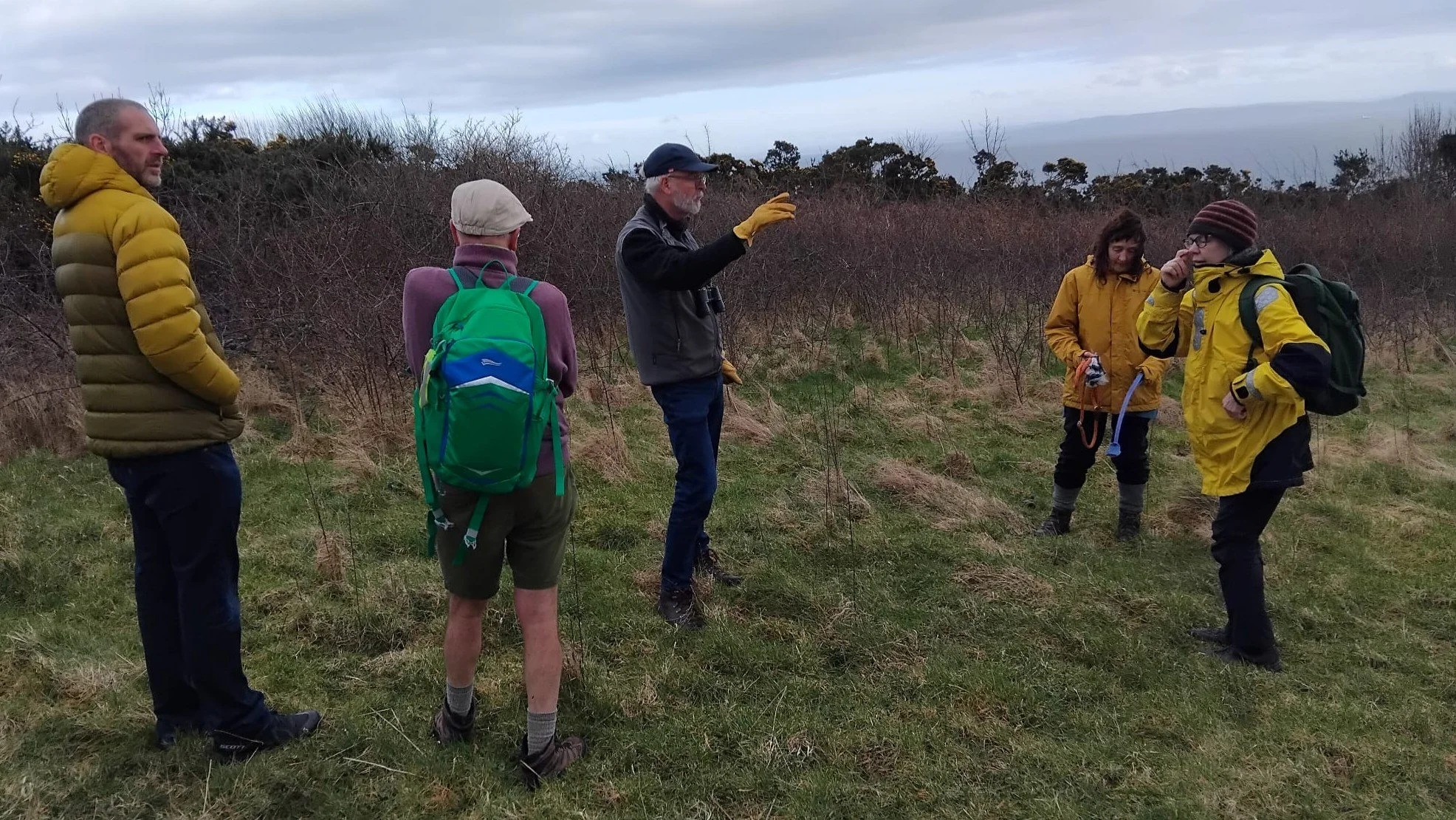
Walking through the site offered a fascinating glimpse of ecological change. Different fields showed the transition from improved grassland to woodland, demonstrating how habitats recover when given time and care. One highlight was the field known as Vole City, where thriving vole populations attract predators. Recently, a resident owl has begun hunting there, and conservationists hope it may soon breed.
One of the biggest challenges for nature on the island is the overpopulation of deer. Along the walk we saw clear signs of browsing damage on young trees. Interestingly, dense gorse bushes can act as natural protection for saplings, shielding them from grazing and allowing woodland regeneration to continue.
ACLI’s work is not only about conservation but also about community. The organisation runs a thriving Young Growers Club and a wide range of educational activities, helping people of all ages connect with Arran’s landscapes and wildlife.
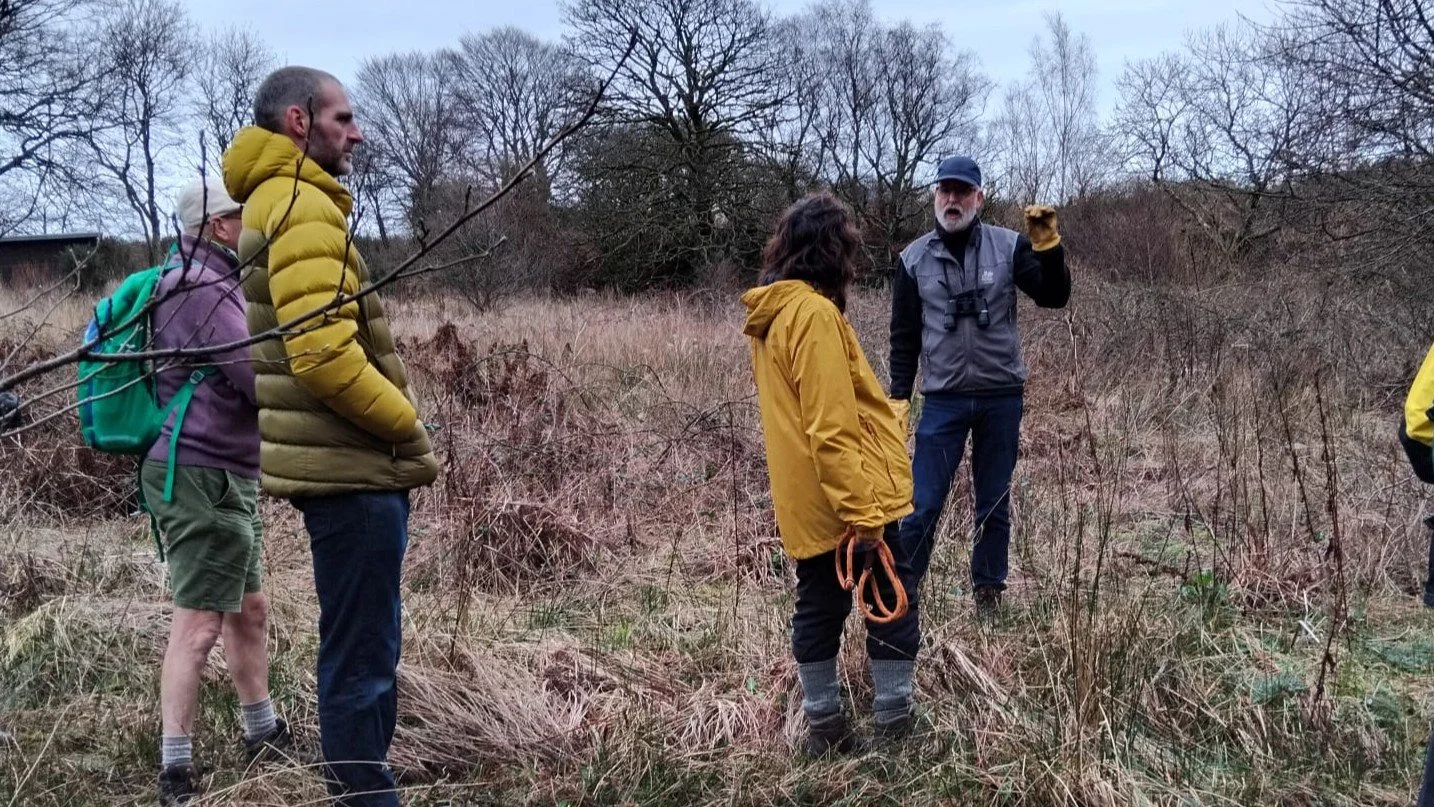
Restoring Woodland in Glen Rosa
The festival also included a talk by ever-enthusiastic Kate Sampson on restoring native woodland in Glen Rosa—one of Arran’s most beautiful glens. The restoration project is boosting biodiversity and reversing habitat loss by planting native trees. Encouragingly, despite last spring’s devastating fire, around a third of the affected trees have survived.
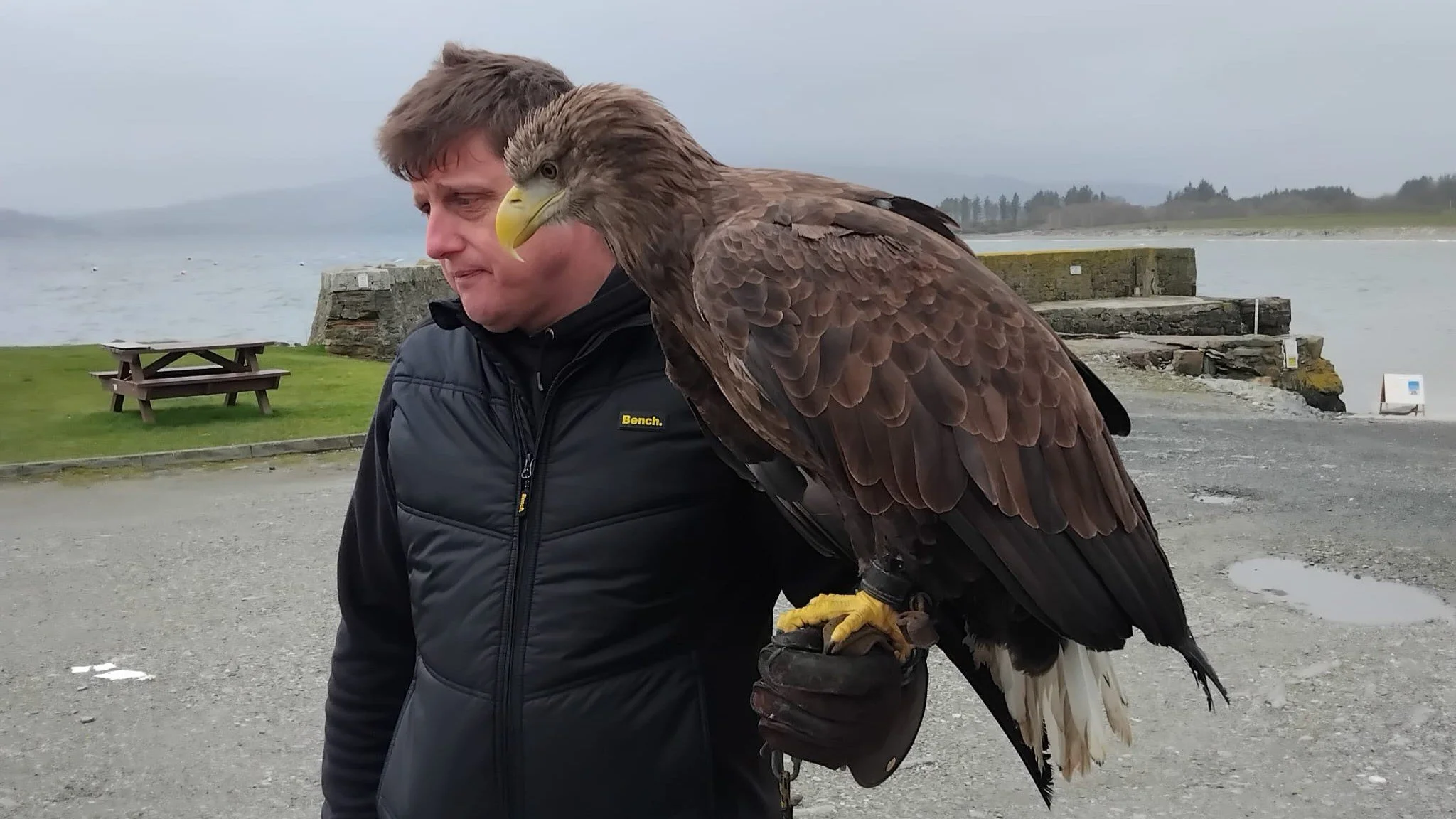
Meeting a Sea Eagle
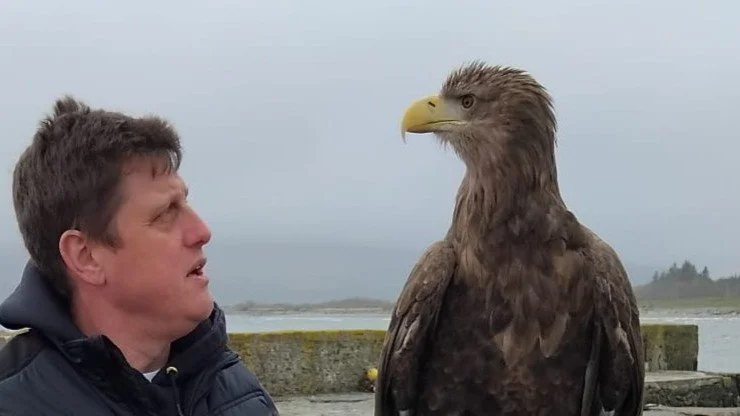
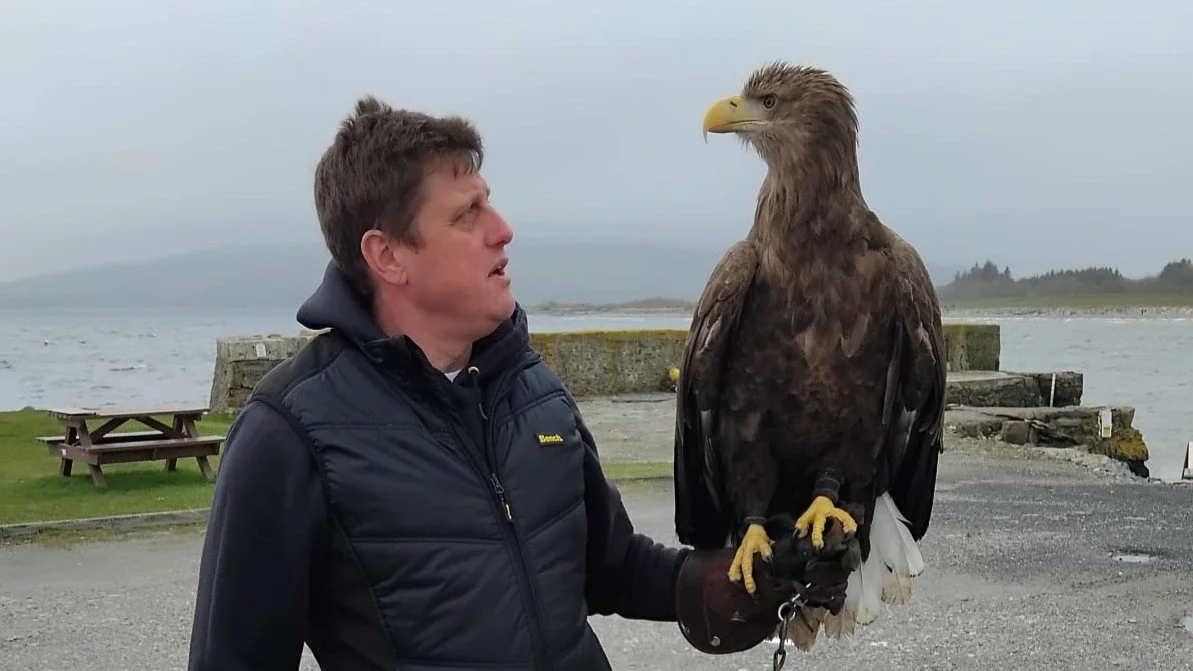
The following week, during a visit to Toward, we had the chance to meet Florence, a magnificent white-tailed eagle, also known as a sea eagle. Florence is relocating to Scotland with her owner, wildlife educator Lewis Phillips. Lewis is passionate about conservation and environmental education, and Florence helps introduce people to the remarkable birds that once again soar across Scotland’s skies. Earlier she had even visited a local boxing club, inspiring young people to learn more about wildlife.
Experiences like these are a reminder that a visit to Arran offers far more than beautiful scenery. From community conservation projects to the return of iconic species such as the sea eagle, the island is a wonderful place to discover Scotland’s wildlife and the people working to protect it.
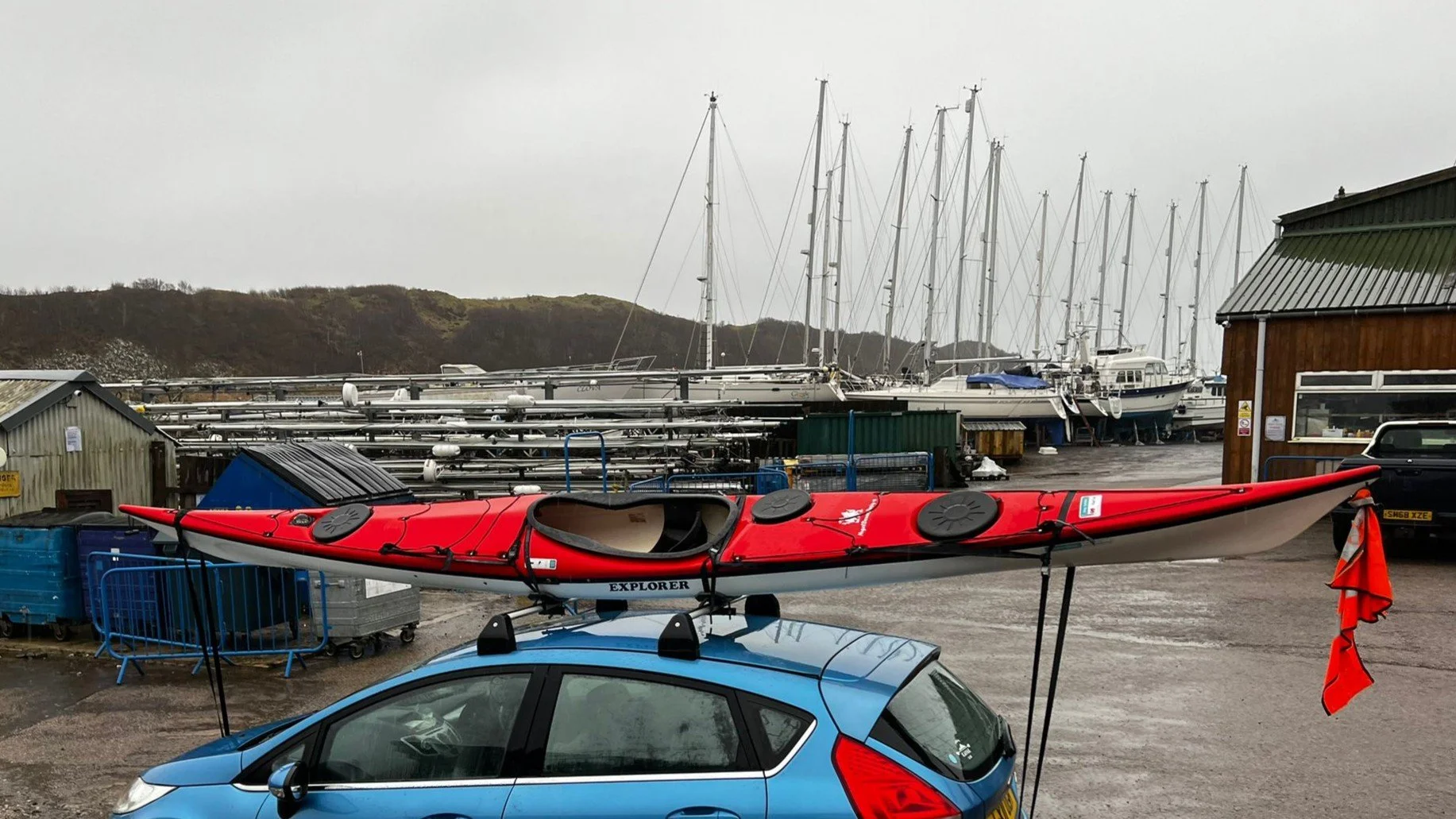
Getting Ready for Sea Kayaking Season on Arran
Winter is a valuable time for preparing both boats and guides for another season of sea kayaking on Arran. Our fleet is currently undergoing its annual maintenance programme to ensure every kayak is ready for safe, smooth adventures along the Arran coastline.
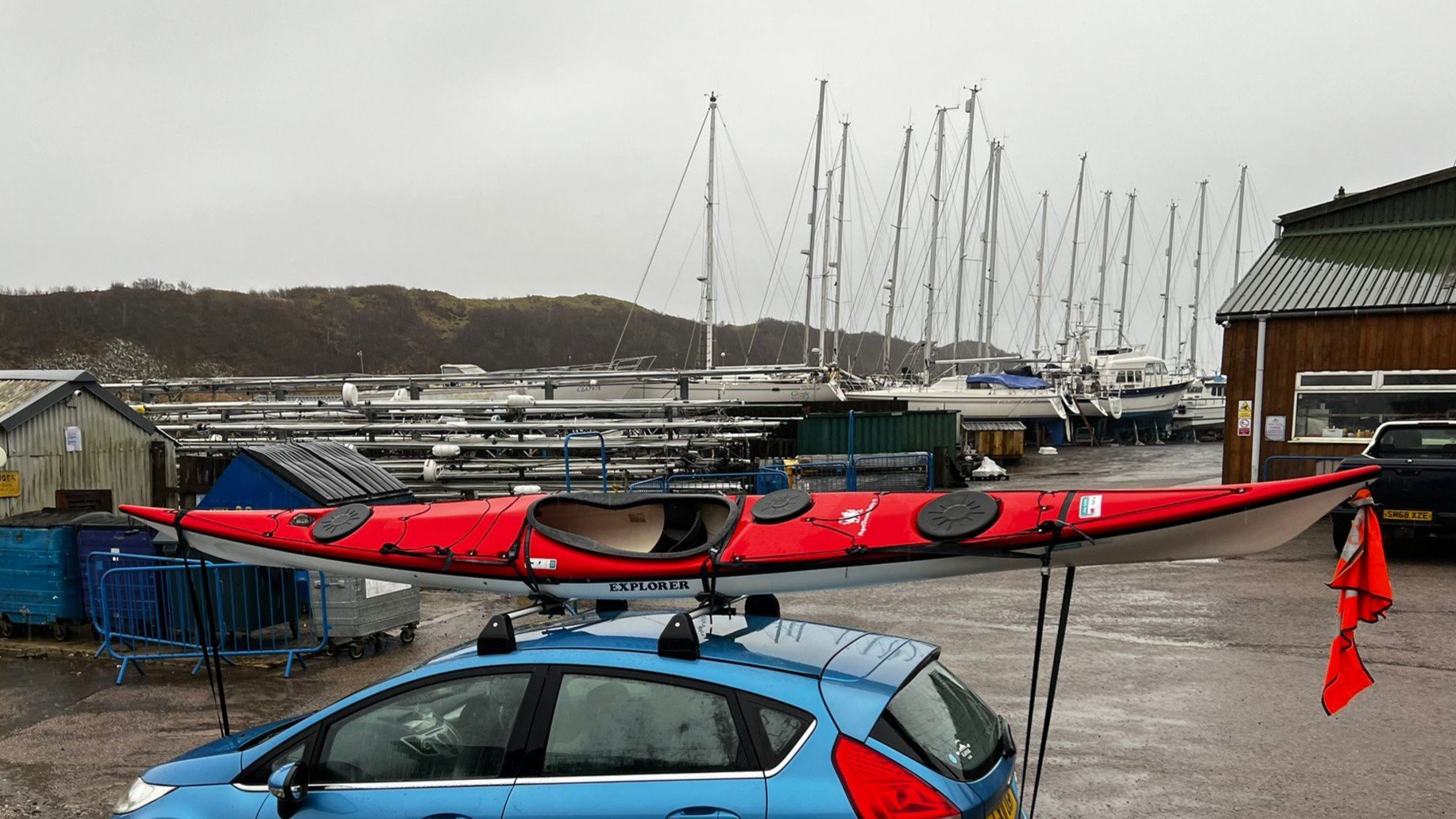
The Nigel Dennis Explorer is at the beautifully located Ardfern Yacht Centre, where a new KayakSport skeg is being fitted to improve tracking and control — ideal for exploring open water around Holy Isle and paddling in the varied conditions of the Firth of Clyde.
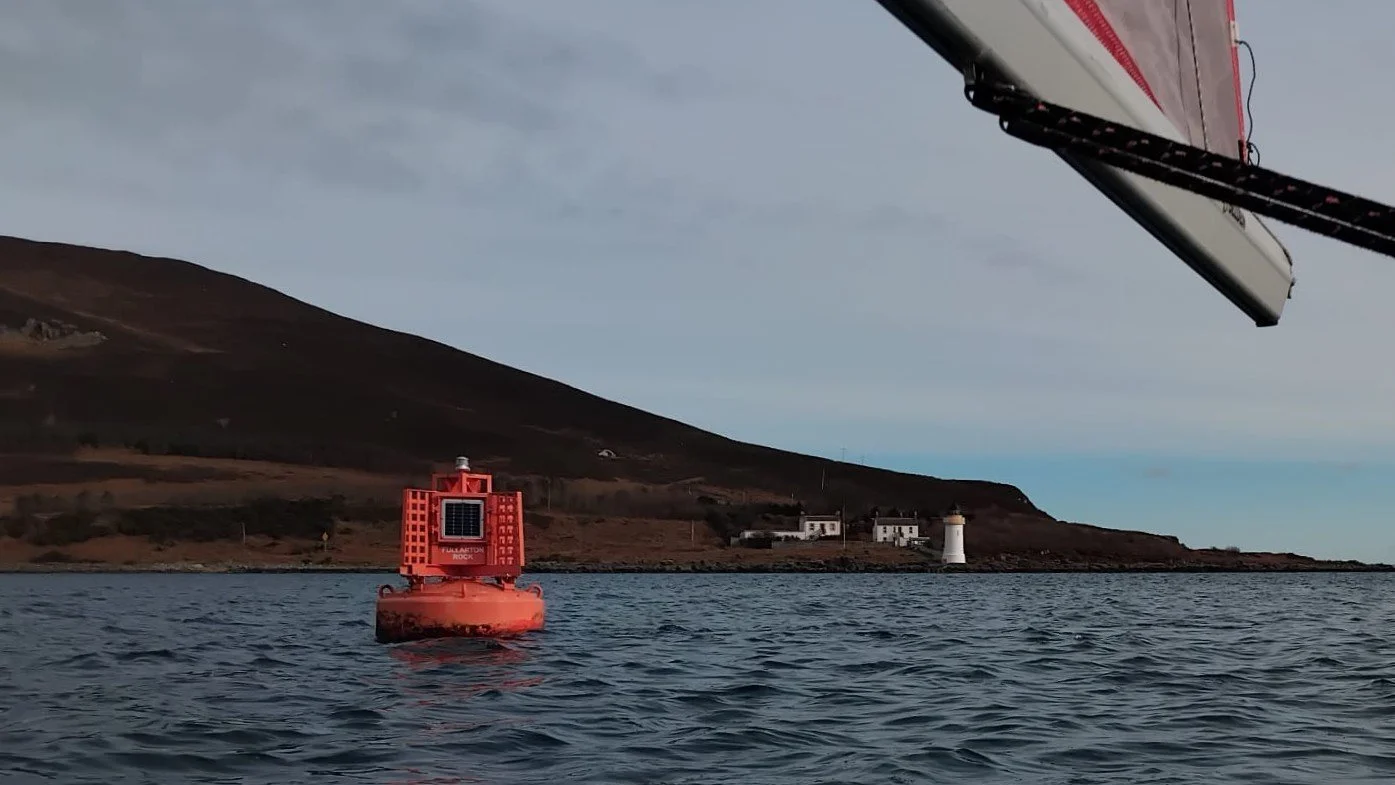
Back on Arran, time on the water in Lamlash Bay has taken us past Fullarton Rock and the Hamilton Rock channel marker buoys — familiar landmarks for those who have joined our guided kayak tours around Holy Isle. Even in the quieter months, these coastal routes remind us why sea kayaking in Arran is so special.
Preparation isn’t just about equipment. We’ve also been expanding our knowledge of Arran’s marine life by attending the Marine Life of the Arran Coast course run by the Community of Arran Seabed Trust and delivered by Dr Karen Boswarva. From identifying serrated wrack and sea lettuce to understanding the wider coastal ecosystem, this learning adds depth to every guided tour.
With boats maintained and marine knowledge refreshed, we’re looking forward to welcoming paddlers back to experience sea kayaking in Arran this spring and summer.
Edible Shores: Discovering Arran’s Winter Wild Foods
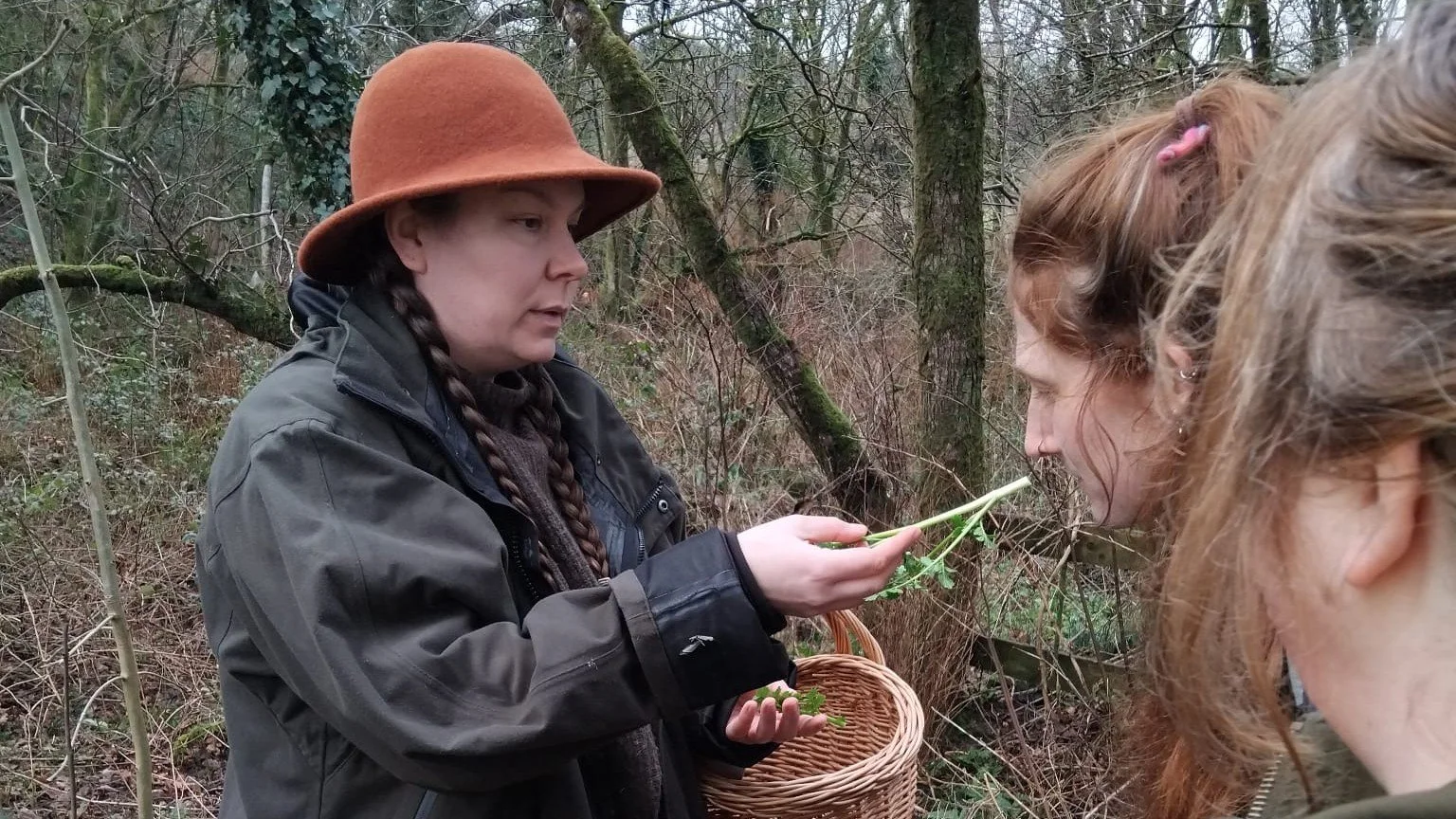
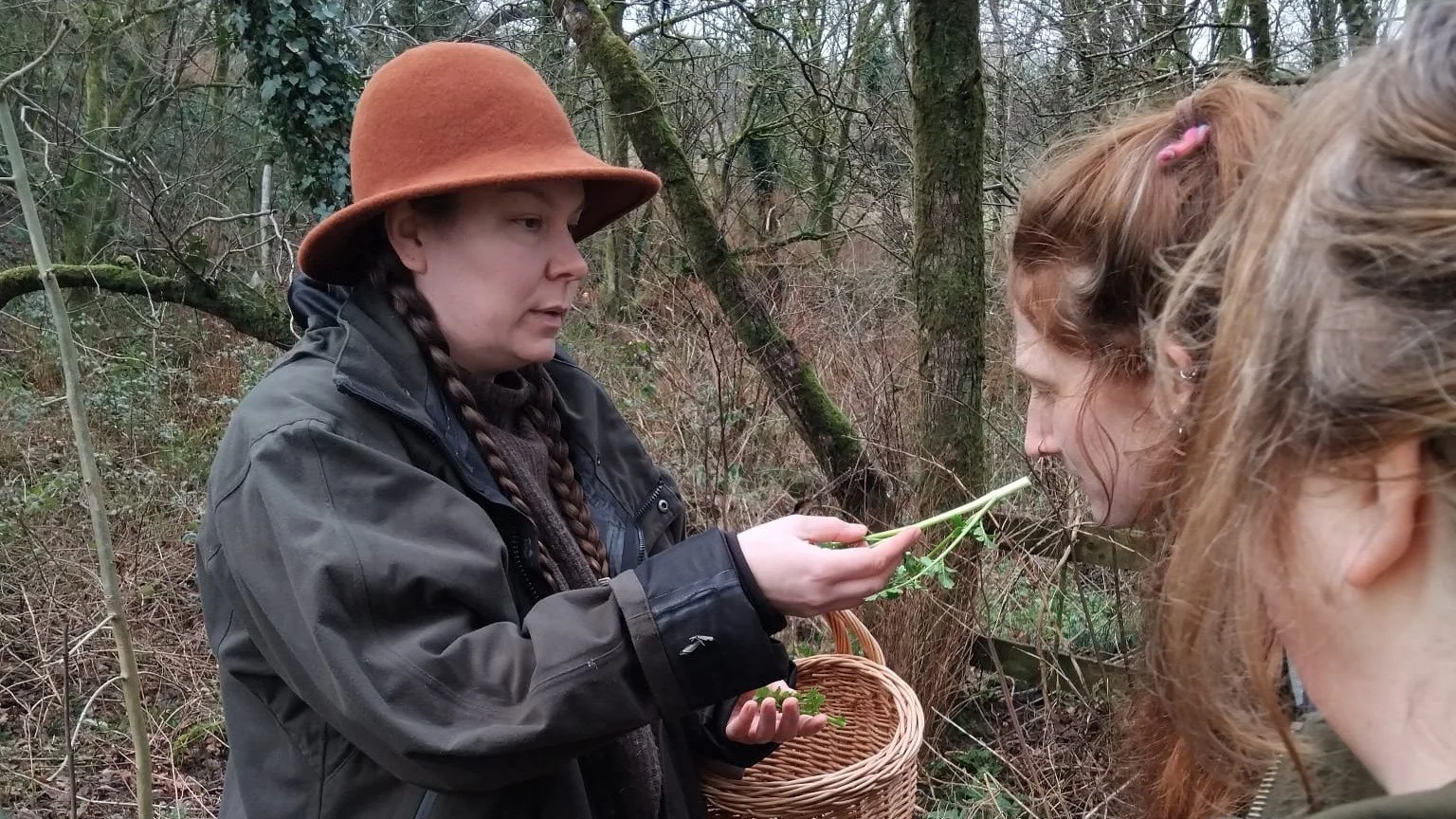
Winter along the coast may seem quiet, but there’s still so much to discover. On Sunday we spent time with Zoe’s Wild Food Arran Foraging Club, learning more about the edible plants found along the shoreline, as well as the importance of knowing what to avoid. From peppery sea radish and scurvy grass to the unusual texture of wood ear fungus, it was a real eye-opener.
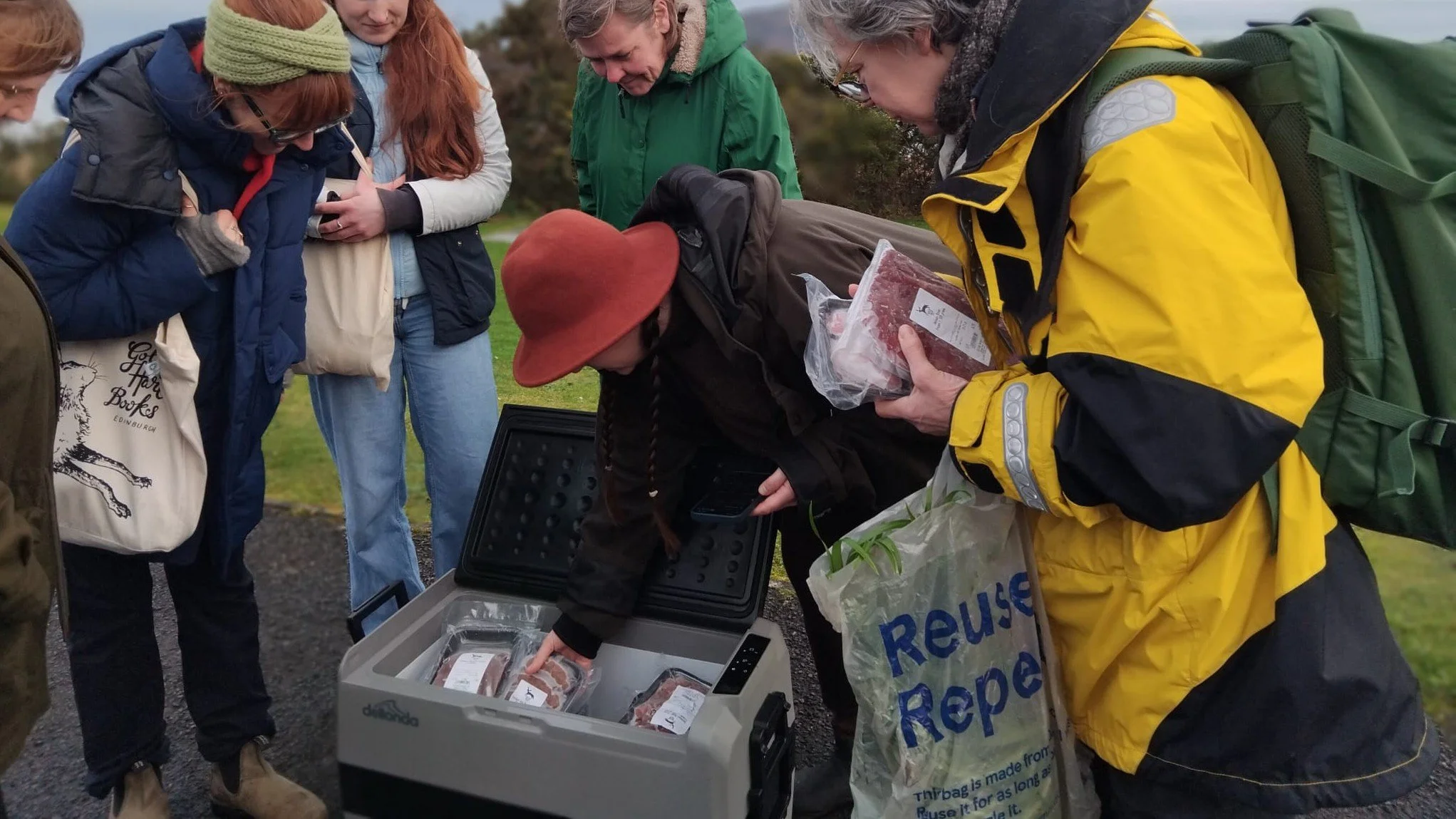
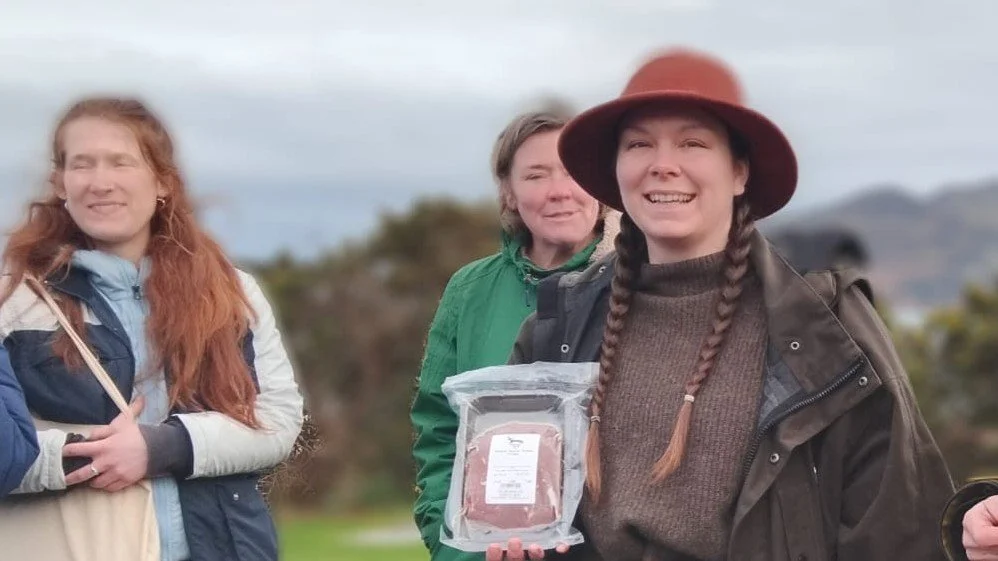
Our foraging was rewarded with a simple but delicious supper featuring three-cornered leek. We also managed to have a preview of some locally sourced venison from Zoe and her partner’s Wild Isle Venison new venture—when it’s available online, it tends to sell out very quickly!
Even in winter, Arran’s coastline continues nourish both body and mind.
Sailing Through Winter on Lamlash Bay
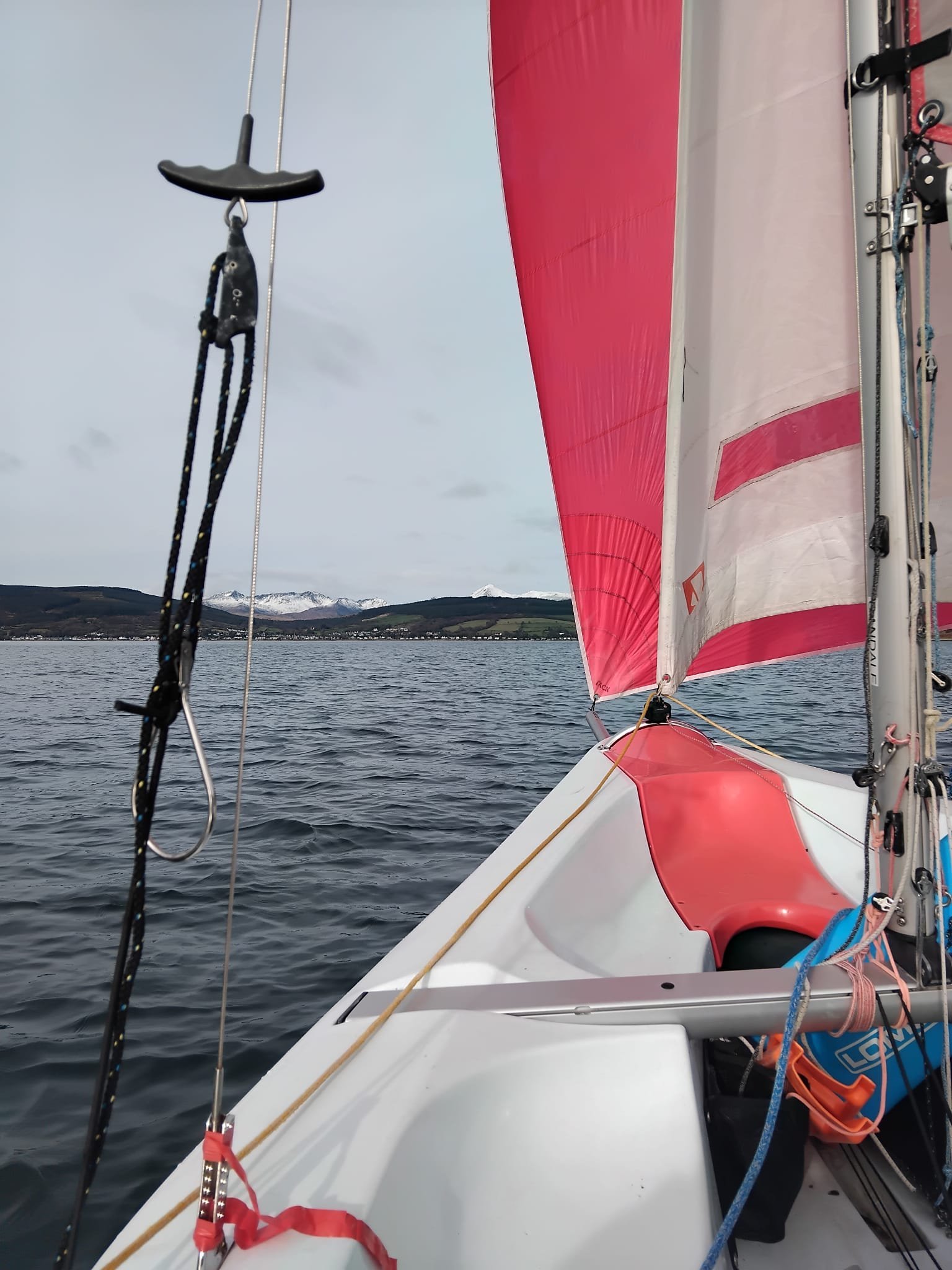
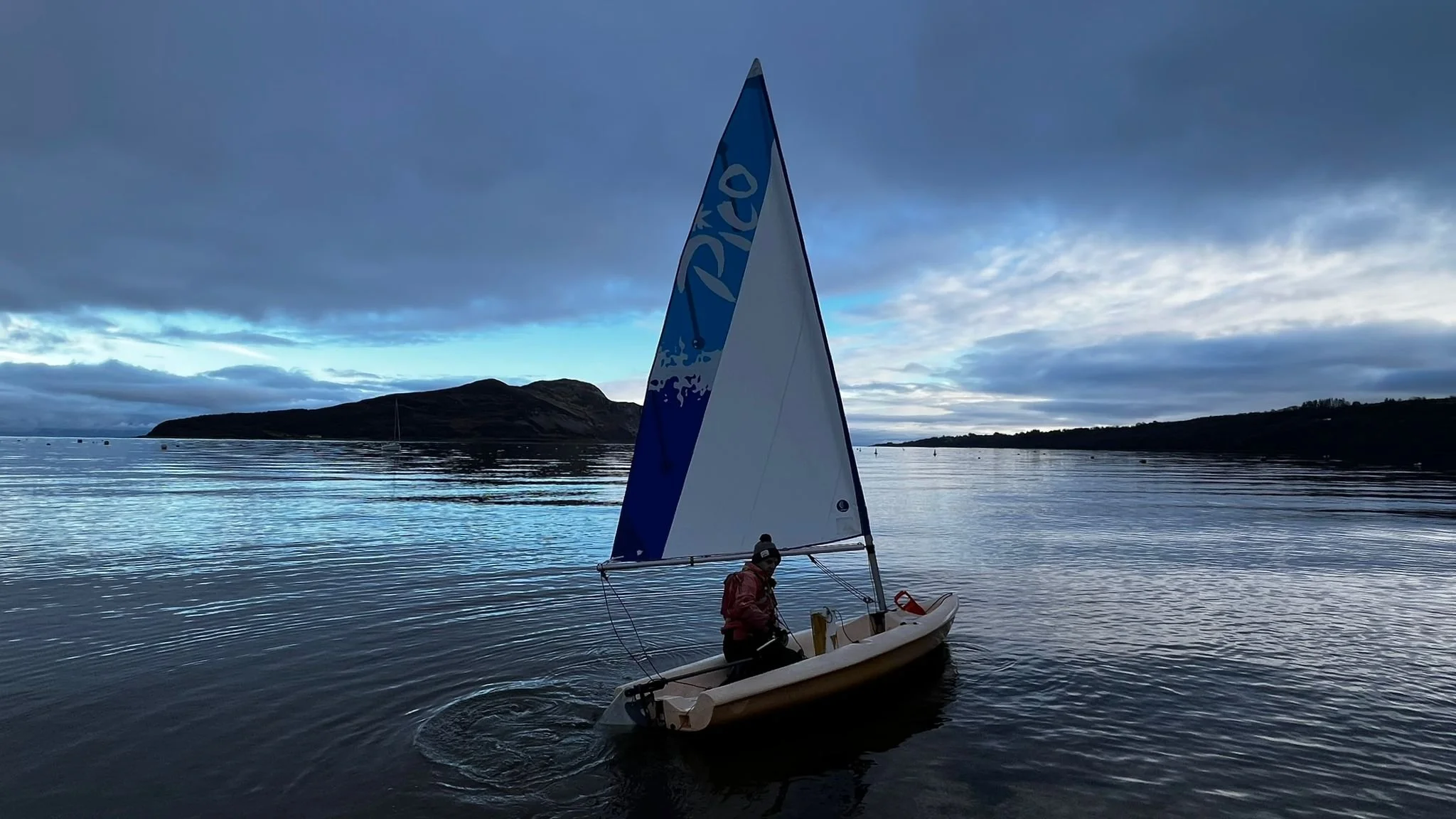
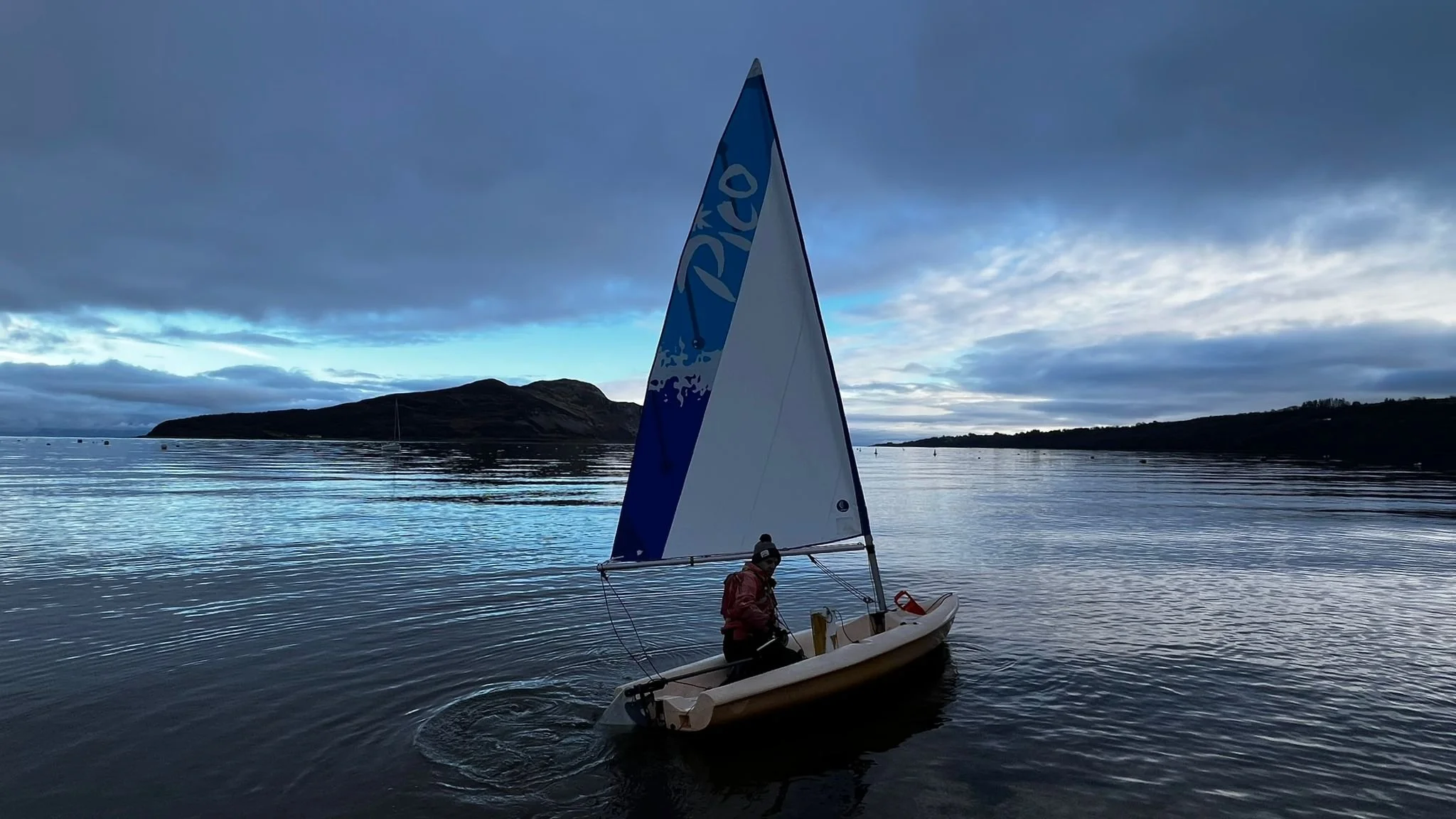
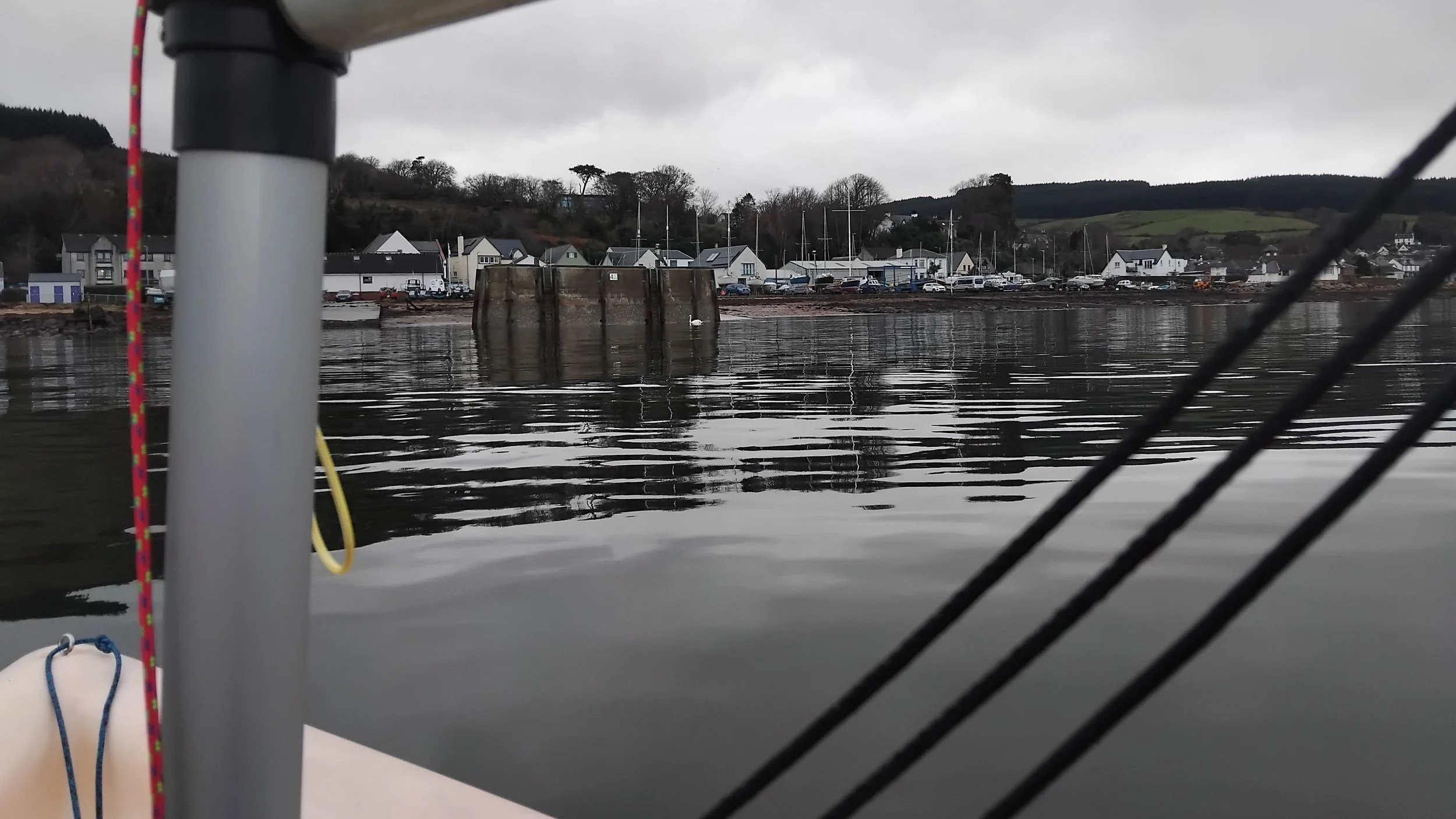
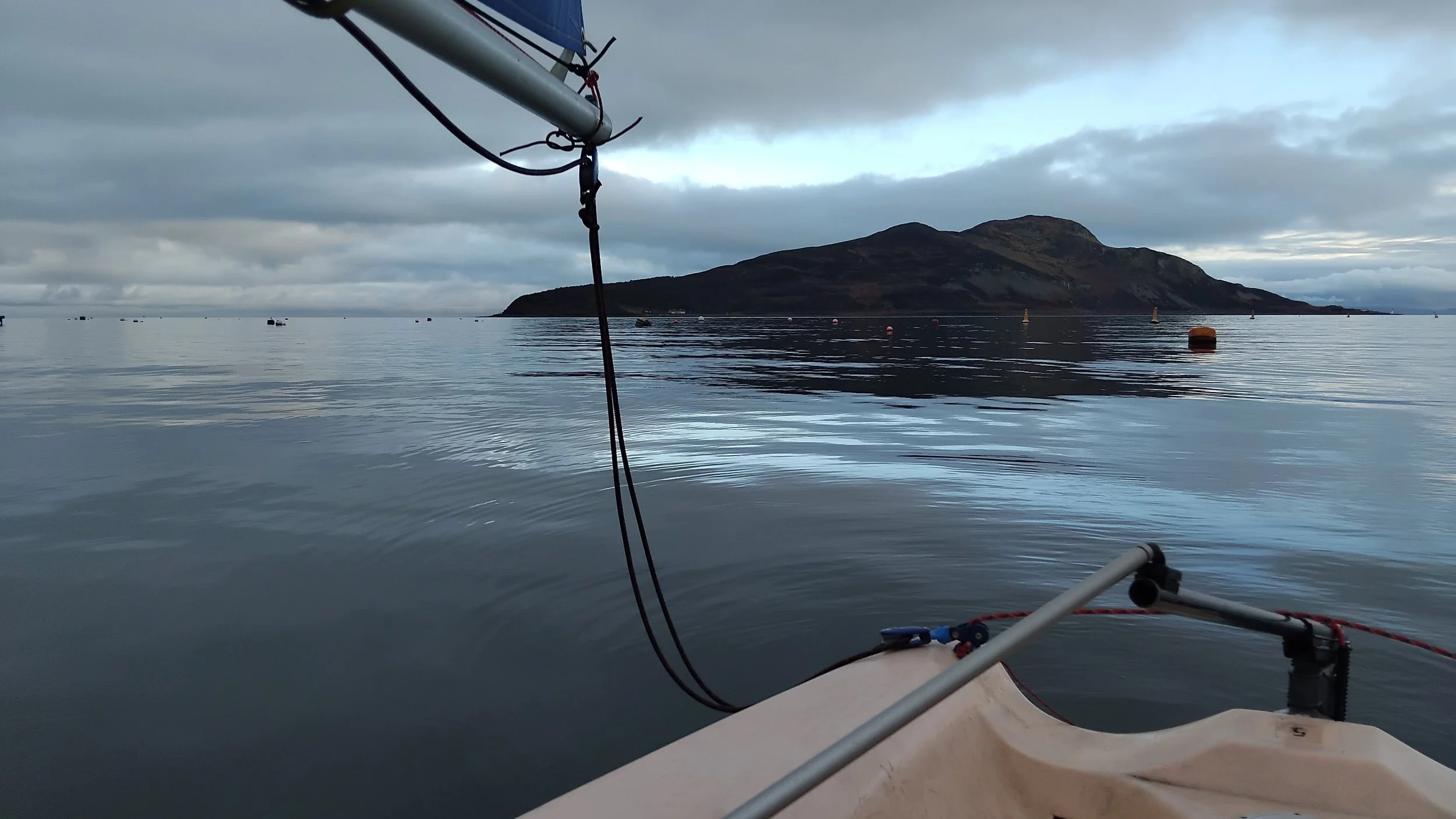
Taking a break from winter kayak maintenance, sailing in Lamlash Bay. Helping to prepare for a Dinghy Instructor qualification to enable me to help with Arran’s Junior Sailing Club.
2026 Prices held at 2025 rates
This year's prices are held at 2025 rates. Book your Kayak Arran tour today!
Half-day trip: £65 adult, £42 under-18s
Full day trip: £130 adult, £80 under-18s
Booking fee: £6
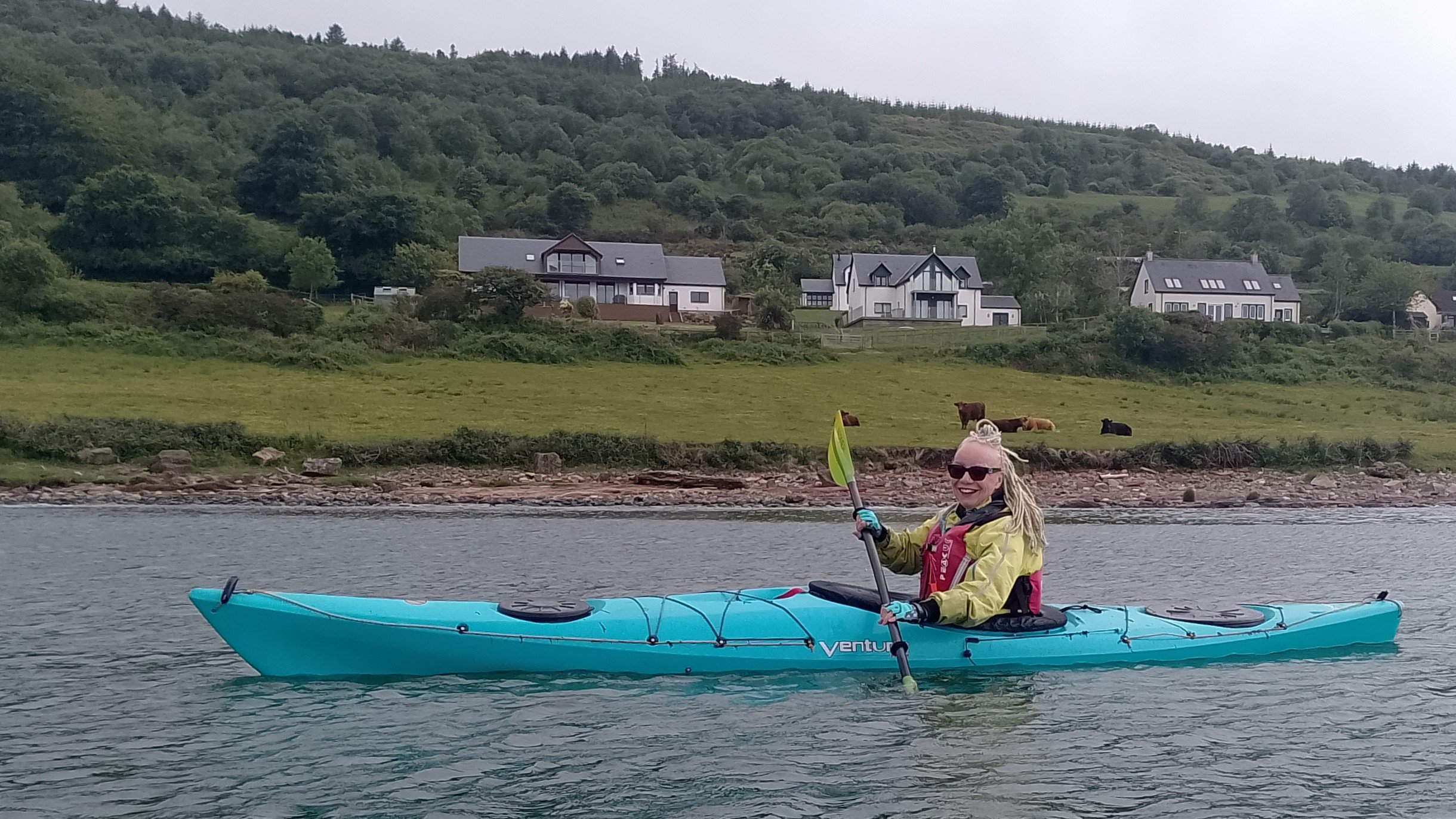
Swells to seals: A Southern Paddle from Whiting Bay
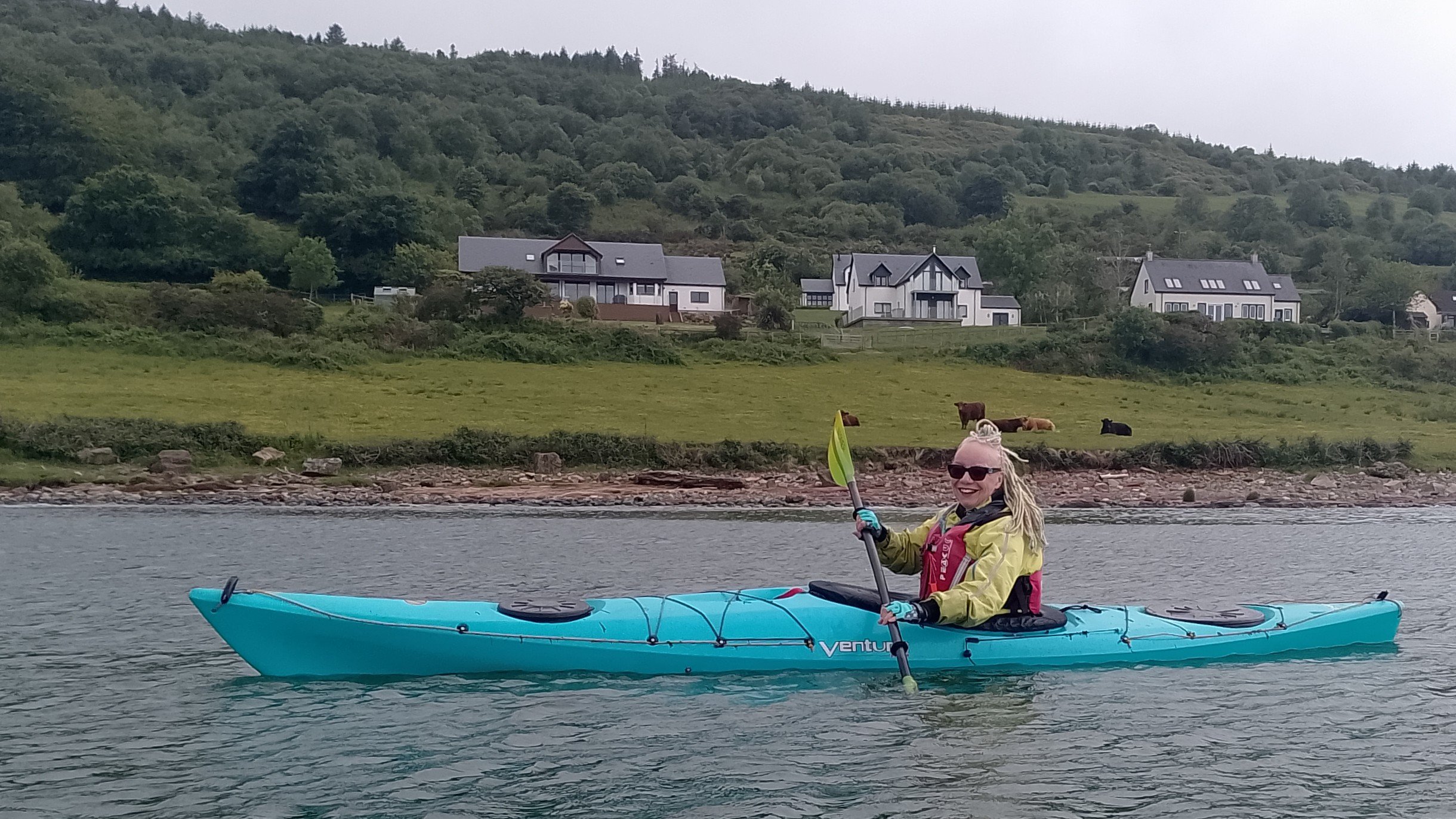
Whiting Bay’s most endearing paddle takes us north past the wooded and rocky coastline to Kingscross with its Viking fort and fantastic views of Holy Isle and Goat Fell. However, yesterday, this was not on the cards due to blustery west-southwesterly winds. So, we headed south to Largybeg.
Launching was a challenge, incoming swell making things difficult. One boat was swept sideways and almost swamped before even leaving the beach.
The passage to the newly restored Whiting Bay pier was demanding, as waves were steep over the many shallows. But the youngster in the group loved it and, as all had previous kayaking experience, conditions were taken in our stride.
The tide was so high that perhaps a sojourn up Glenashdale Burn seemed within reach. Unfortunately, as the sea level was a few centimetres short, the double kayak beached on gravel a stone’s throw from the bridge.
As forecast, the wind and consequent swell soon eased, allowing a more relaxed trip beyond the village where Highland cattle and two very inquisitive seals appeared. One of these joined our group, even touching Fiona’s boat.
We rounded Largybeg Point but the bay to the south was uninviting, the tide being too high to land on sand. Fortunately, there was a sandy beach on its north side, just large enough. I managed to retrieve an unsightly plastic bag before the group landed for snacks and a leg-stretch. Further beach-cleaning items for my rear hatch were a flaccid helium balloon and football.
The uneventful trip home was assisted by the breeze and welcome glimpses of sun. Clearing up at the end was helped by our new battery-powered hose (meaning no need for the wash down at home any more) and a friendly chat with fellow kayak leader Andy McNamara of Otters Tail.
Thanks to all involved.


Canine at the Castle: Dog-Friendly Kayaking in Lochranza

At Kayak Arran, calm, water-confident dogs in lifejackets are welcome aboard. One perfect trip launched behind Lochranza Castle, gliding past classic yachts toward the lively ferry terminal and its famed Sandwich Station.

Heading north with sweeping views of Loch Fyne, we spotted an otter mid-meal. After passing Hutton’s Unconformity—a geological gem—we paused at a quiet pebble beach and met a fellow dog lover.


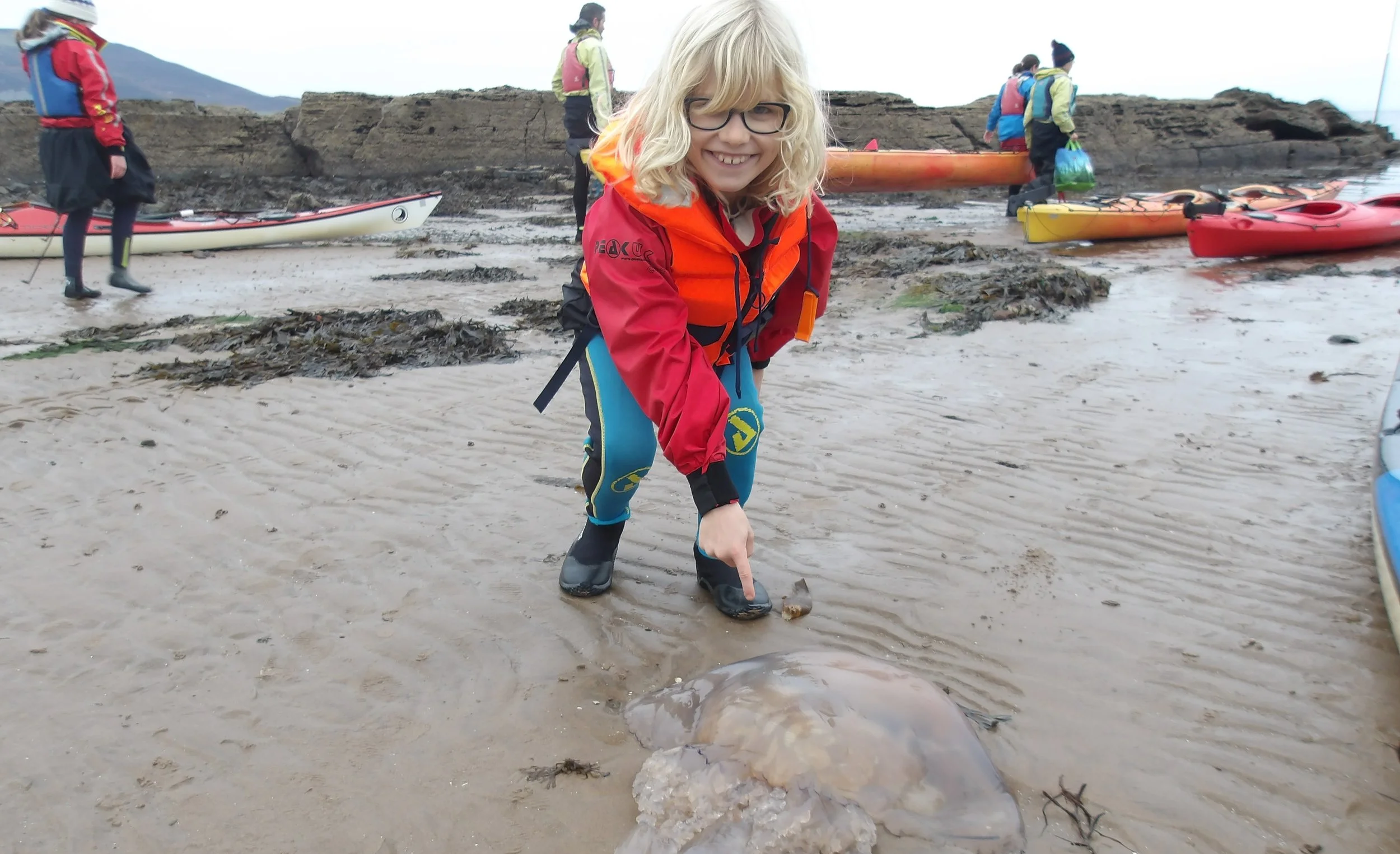
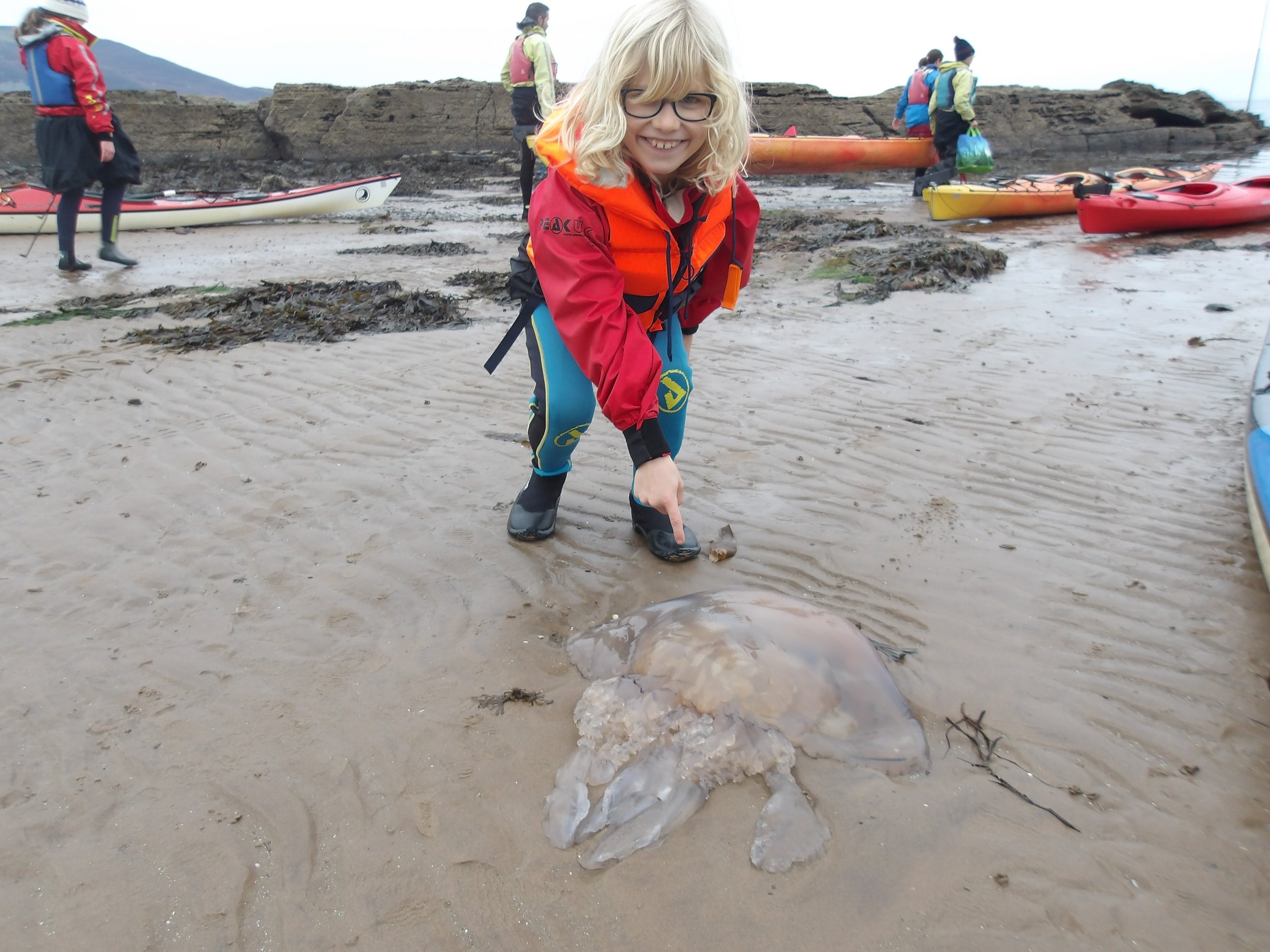
On the return, more wildlife: gannets, seals, and a majestic barrel jellyfish beneath our kayaks. No lion’s manes spotted this season—just smooth paddling and happy tails.


Ticked all of the Boxes
Full day kayak tour of Brodick Bay, Corriegills & Corrie
Full day kayak tour of Brodick Bay, Corriegills & Corrie

While Brodick Bay is large, it has small, hidden gems such as Strathwhillan Burn, which we explored while waiting for the ferry from Troon to dock.

Next, we passed the unspoilt red sandstone shoreline to Corriegills and stretched our legs on the sandy beach in the bay, admiring the views of Bute and the Cumbrae isles.

Retracing our steps, we admired the majestic views of the castle and Goat Fell and crossed the bay to and the beautifully hand carved sandstone harbour, which was unusually occupied by a bilge keeled yacht.

Now heading further north, we passed Merkland bay and took a further break on a sandy inlet and watched curlews. Birdlife was plentiful the whole trip, with black guillemots, grey herons, oystercatchers and shags. Majestic gannets also dived for food as we had our sandwiches.

The weather being warm and calm, we were able to paddle some distance from shore, with great views of the ridge leading to Cioch na h-Oighe and the hamlet of High Corrie nestling amongst the trees.


Kayaks left safely beached in Corrie’s southern harbour, we walked to the doctor’s bath, carved out of the sandstone in Victorian times, by an early advocate of cold water therapy. Lastly, we admired the fossilised lightening strike, a relic from a storm in Permian times, 270 million years ago.

The tranquility the tree lined Rosa burn, meandering through the golf course was our final venture on our return to Brodick.


seaweed slippy, barnacles Grippy
A Kayak Tour of Brodick Bay
A Kayak Tour of Brodick Bay
Yesterday's kayak tours around Brodick Bay on the Isle of Arran offered a delightful mix of weather and wisdom.
The morning greeted us with a refreshing breeze as we navigated under mooring lines into a serene natural harbour. Two fishing boats, one built of wood, led us to a charming stone bridge and the cascading waterfalls of Straithwhillan Burn.
As we paddled past the imposing ferry jetty, the landscape transformed. The afternoon brought calm waters and clear skies, guiding us along a coastline adorned with ancient red sandstone cliffs, sculpted by time and tide. Birdsong accompanied us as we explored Corriegills’ secluded cove with its hidden inlets.
A highlight of the day was a simple yet invaluable piece of advice from one of our kayakers: "Seaweed slippery, barnacles grippy." This catchy phrase serves as a perfect reminder to tread carefully when launching or landing—seaweed can be treacherously slick, while barnacle-covered rocks offer more secure footing.
Our journey culminated with breathtaking views of Little Cumbrae and Bute across the Clyde, and the majestic silhouette of Goat Fell rising behind Brodick's historic castle. It was a day of shared experiences, natural beauty, and newfound knowledge.


Keeping clear of the seals hauled out on the rocks as per the newly updated Arran Wildlife Code (https://pdf.arranwildlifecode.com/), we headed to the Preaching Cave. After exploring the historic cave and having a relaxing break for food and drink, we paddled back to Blackwatefoot watching shelduck, gannets and oystercatchers. The beautiful views of Goat Fell and Drumadoon’s Iron age hill fort were spectacular. Finally, we explored the rocky outcrops close to Shiskine Golf Club, the island’s most famous course, returned to the harbour and were re-energised by the delicious pastries of the Blackwater Bakehouse.

Wildlife in warm sunshine
Seals on show in Blackwaterfoot
Seals on show in Blackwaterfoot
Launching at high tide, we explored the beautiful harbour. Following a close look under the stone bridge at the gentle waterfall, we ventured south to Kilpatrick.


Keeping clear of the seals hauled out on the rocks as per the newly updated Arran Wildlife Code (https://pdf.arranwildlifecode.com/), we headed to the Preaching Cave. After exploring the historic cave and having a relaxing break for food and drink, we paddled back to Blackwatefoot watching shelduck, gannets and oystercatchers. The beautiful views of Goat Fell and Drumadoon’s Iron age hill fort were spectacular. Finally, we explored the rocky outcrops close to Shiskine Golf Club, the island’s most famous course, returned to the harbour and were re-energised by the delicious pastries of the Blackwater Bakehouse.